
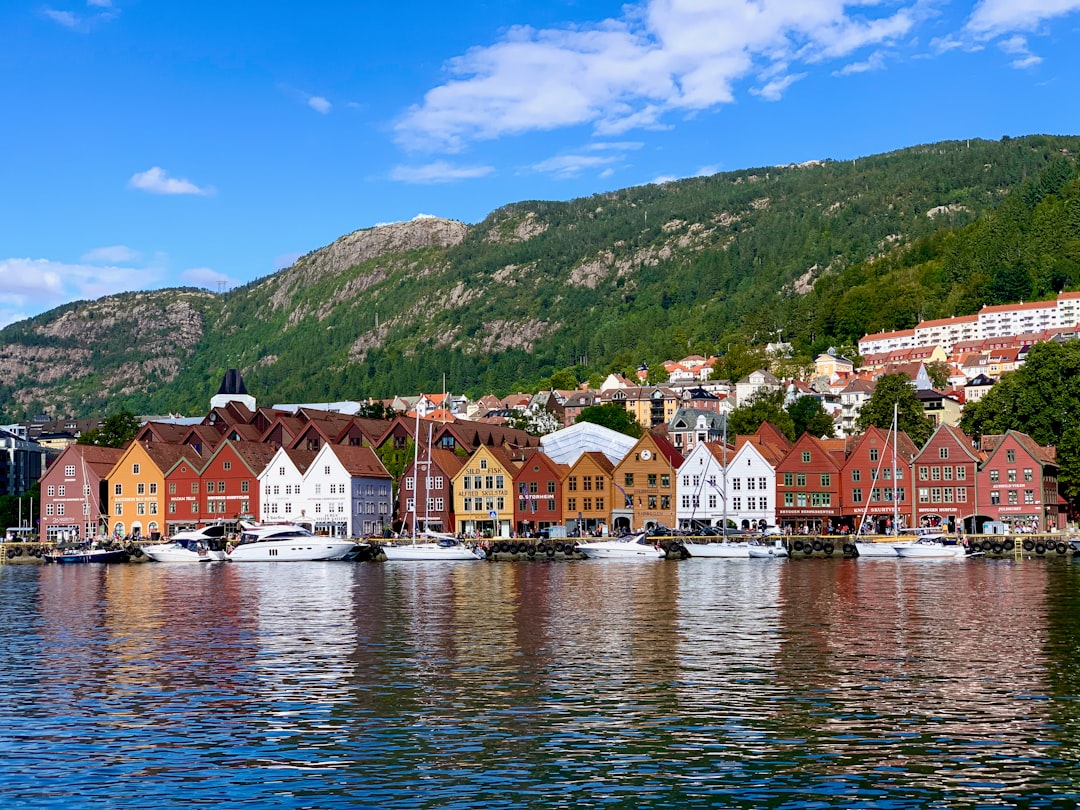
Bergen, a picturesque city nestled between mountains and fjords, is not only known for its stunning landscapes but also for its rich tapestry of local traditions. These customs, deeply rooted in the city’s history, reflect the unique cultural identity of the people of Bergen. From vibrant parades to community gatherings, the traditions of this coastal city are a celebration of its heritage and a testament to the resilience and spirit of its inhabitants.
Among the most notable of these traditions are the Buekorps and the Syttende Mai celebrations, both of which play a significant role in the social fabric of Bergen. The Buekorps, or “bow corps,” are youth organisations that have been a part of Bergen’s culture for over 150 years. They embody the spirit of camaraderie and community, providing young people with a sense of belonging and purpose.
On the other hand, Syttende Mai, Norway’s Constitution Day, is a national celebration that showcases the pride and unity of Norwegians. Together, these traditions not only highlight Bergen’s local customs but also connect the city to the broader narrative of Norwegian history and identity. Schedule your personal consultation with the NLS Norway Relocation Group to streamline your move.
Summary
- Buekorps is a unique and historical tradition in Bergen, Norway
- The uniforms and parades of Buekorps are a significant part of the tradition
- Buekorps plays a vital role in the Bergen community, fostering a sense of unity and pride
- Syttende Mai is a celebration of Norway’s constitution and has deep cultural and historical significance
- Both Buekorps and Syttende Mai are important traditions in Bergen and are integral to preserving local culture
The History and Significance of Buekorps
The origins of Buekorps can be traced back to the mid-19th century when they were established as a means for young boys to engage in organised play and develop a sense of discipline. Initially formed as military-style marching groups, these corps provided an outlet for youthful energy while instilling values such as teamwork and leadership. Over time, Buekorps evolved into more than just a recreational activity; they became an integral part of Bergen’s cultural landscape.
The significance of Buekorps extends beyond mere entertainment. They serve as a rite of passage for many young Bergenites, fostering lifelong friendships and instilling a sense of pride in their local heritage. The corps are often associated with specific neighbourhoods, creating a strong sense of community identity.
As members don their distinctive uniforms and participate in parades, they not only celebrate their own history but also contribute to the vibrant cultural mosaic that defines Bergen.
The Unique Uniforms and Parades of Buekorps
One of the most striking features of Buekorps is their unique uniforms, which vary from one corps to another. Each uniform is meticulously designed, often incorporating elements that reflect the history and character of the neighbourhood it represents. The uniforms typically consist of bright colours, elaborate hats, and distinctive insignia, making them a visual spectacle during parades.
This attention to detail not only enhances the pride of the participants but also captivates onlookers who gather to witness the festivities. The parades themselves are a highlight of the Buekorps tradition. Held annually, these events see hundreds of young participants marching through the streets of Bergen, accompanied by drums and brass instruments.
The atmosphere is electric, filled with cheers from family members and friends who line the route to support their local corps. The parades are not merely a display of military precision; they are a celebration of youth, community spirit, and the enduring legacy of Bergen’s traditions.
The Role of Buekorps in Bergen Community
Buekorps play a vital role in fostering community spirit in Bergen. They provide a platform for young people to engage with one another, build friendships, and develop essential life skills. Through participation in Buekorps, children learn about responsibility, teamwork, and leadership—qualities that serve them well into adulthood.
The bonds formed within these groups often extend beyond childhood, creating a network of support that lasts a lifetime. Moreover, Buekorps serve as a bridge between generations. Parents and grandparents often reminisce about their own experiences in these corps, sharing stories that enrich the tradition’s narrative.
This intergenerational connection helps to preserve the history and significance of Buekorps while ensuring that younger members understand their place within this ongoing legacy. In this way, Buekorps not only contribute to individual development but also strengthen the fabric of the entire community.
Understanding the Syttende Mai Celebration
Syttende Mai, or Constitution Day, is one of Norway’s most cherished national holidays, celebrated annually on May 17th. This day commemorates the signing of Norway’s constitution in 1814, marking the country’s transition to an independent nation. The significance of Syttende Mai extends beyond its historical roots; it embodies the values of freedom, democracy, and national pride that resonate deeply with Norwegians.
In Bergen, Syttende Mai is celebrated with great enthusiasm and fervour. The streets come alive with colourful decorations, traditional music, and jubilant crowds dressed in national costumes known as “bunad.” This celebration is not merely a reflection of national pride; it is also an opportunity for communities to come together in unity and joy. The festivities serve as a reminder of Norway’s rich history while fostering a sense of belonging among its citizens.
The Origins and Evolution of Syttende Mai

The origins of Syttende Mai can be traced back to the early 19th century when Norway was under Danish rule. The desire for independence grew stronger among Norwegians, leading to the drafting of a constitution that would establish Norway as a sovereign nation. The signing of this document on May 17th, 1814, marked a pivotal moment in Norwegian history and laid the foundation for future democratic governance.
Over the years, Syttende Mai has evolved from a solemn commemoration into a vibrant celebration filled with joy and festivity. Initially observed with modest gatherings and speeches, it has transformed into a nationwide event characterised by parades, music, and communal feasting. Today, Syttende Mai is not only a celebration of Norway’s independence but also an expression of national identity that resonates with people across generations.
Traditional Activities and Customs of Syttende Mai
The customs associated with Syttende Mai are as diverse as they are delightful. One of the most iconic traditions is the children’s parade, where schoolchildren don their bunad and march through the streets waving flags and singing patriotic songs. This event is particularly special as it highlights the importance of youth in shaping Norway’s future while fostering a sense of pride in their heritage.
Another cherished custom is the communal feasting that takes place on Syttende Mai. Families gather to enjoy traditional Norwegian dishes such as “rømmegrøt” (a creamy porridge) and “pølse med lompe” (sausage with flatbread). These culinary delights not only nourish the body but also serve as a reminder of Norway’s rich culinary heritage.
As families come together to celebrate over food, they reinforce their connections to one another and to their cultural roots.
How Syttende Mai is Celebrated in Bergen
In Bergen, Syttende Mai celebrations are particularly vibrant and engaging. The day begins with a grand parade featuring various organisations, including schools, sports clubs, and cultural groups. Each group showcases its unique identity through colourful floats and performances that reflect local traditions.
The atmosphere is filled with laughter and excitement as families gather along the parade route to cheer on participants. As the day progresses, various events unfold throughout the city. Concerts featuring traditional Norwegian music fill public squares while local vendors offer delicious treats that celebrate Norwegian cuisine.
The sense of community is palpable as people from all walks of life come together to celebrate their shared heritage. In Bergen, Syttende Mai is not just an event; it is an experience that fosters unity and pride among its residents.
The Cultural and Historical Importance of Syttende Mai
The cultural significance of Syttende Mai cannot be overstated. It serves as a powerful reminder of Norway’s journey towards independence and democracy while celebrating the values that underpin these ideals. For many Norwegians, this day represents not only national pride but also a commitment to preserving their cultural heritage for future generations.
Moreover, Syttende Mai plays an essential role in shaping Norway’s national identity. It provides an opportunity for citizens to reflect on their shared history while embracing diversity within their communities. As people come together to celebrate their heritage, they reinforce their connections to one another and foster a sense of belonging that transcends individual differences.
Comparing and Contrasting Buekorps and Syttende Mai
While both Buekorps and Syttende Mai are integral to Bergen’s cultural landscape, they serve different purposes within the community. Buekorps focuses primarily on youth engagement and fostering camaraderie among young people through organised activities and parades. In contrast, Syttende Mai is a broader national celebration that encompasses all age groups and highlights Norway’s historical journey towards independence.
Despite these differences, both traditions share common themes: community spirit, pride in heritage, and intergenerational connections. Buekorps participants often take part in Syttende Mai celebrations, showcasing how these two traditions complement one another in promoting unity within Bergen’s diverse population. Together, they create a rich cultural tapestry that reflects both local customs and national identity.
Preserving and Passing Down Local Bergen Traditions
As Bergen continues to evolve in an increasingly globalised world, preserving local traditions like Buekorps and Syttende Mai becomes ever more crucial. These customs not only enrich the cultural landscape but also provide younger generations with a sense of identity and belonging. Efforts to pass down these traditions involve engaging families in community events while encouraging participation from schools and local organisations.
Educational initiatives play a vital role in ensuring that children understand the significance of these traditions. By incorporating lessons about Buekorps and Syttende Mai into school curricula or hosting workshops that celebrate local customs, communities can foster appreciation for their heritage among young people. In this way, Bergen can continue to honour its past while embracing its future—a future where local traditions remain vibrant and relevant for generations to come.
In conclusion, both Buekorps and Syttende Mai are essential components of Bergen’s cultural identity. They embody the spirit of community engagement while celebrating Norway’s rich history and values. As residents come together to honour these traditions, they reinforce their connections to one another while ensuring that future generations inherit a legacy steeped in pride and unity.
Register for a Norwegian class at the NLS Norwegian Language School now!