

The Norwegian Coastal Code, or “Kystkodeksen,” serves as a vital framework for those who wish to explore and enjoy Norway’s stunning coastal landscapes. This code is not merely a set of rules; it embodies the spirit of responsible outdoor life that has been ingrained in Norwegian culture for generations. With its breathtaking fjords, rugged cliffs, and pristine beaches, Norway’s coastline is a treasure trove for adventurers, nature lovers, and those seeking solace in the great outdoors.
However, with such beauty comes the responsibility to protect and preserve these natural wonders for future generations. The Coastal Code is designed to ensure that everyone can enjoy the coastal areas while respecting the delicate ecosystems that thrive there. It encourages outdoor enthusiasts to engage with nature in a sustainable manner, promoting a harmonious relationship between humans and the environment.
As we delve deeper into the principles and guidelines outlined in the Coastal Code, we will uncover how these practices not only enhance our experiences but also safeguard the natural beauty of Norway’s coastline. Get clarity on your relocation. Book a personal strategy session with the NLS Norway Relocation Group.
Summary
- The Norwegian Coastal Code promotes responsible outdoor activities and environmental stewardship.
- Understanding the importance of responsible outdoor life is crucial for preserving the natural beauty of coastal areas.
- The principles of the Norwegian Coastal Code include respecting wildlife, minimizing impact on nature, and promoting sustainable practices.
- Exploring the coastal area near Haugesund offers opportunities for outdoor activities while respecting the environment.
- Respecting wildlife and nature involves keeping a safe distance, avoiding disturbance, and not feeding or approaching animals.
Understanding the Importance of Responsible Outdoor Life
Responsible outdoor life is a concept that resonates deeply within Norwegian society. It encompasses a philosophy of stewardship towards nature, urging individuals to act with care and consideration while enjoying outdoor activities. This ethos is particularly significant in a country where the landscape is both breathtaking and fragile.
The importance of responsible outdoor life cannot be overstated; it ensures that future generations will have the opportunity to experience the same awe-inspiring beauty that we do today. Engaging in responsible outdoor practices fosters a sense of community among outdoor enthusiasts. When individuals adhere to the principles of the Coastal Code, they contribute to a collective effort to protect the environment.
This shared responsibility cultivates respect for nature and encourages others to follow suit. By understanding the significance of our actions in the great outdoors, we can create a culture that prioritises sustainability and conservation, ensuring that Norway’s coastal areas remain vibrant and accessible for years to come.
The Principles of the Norwegian Coastal Code
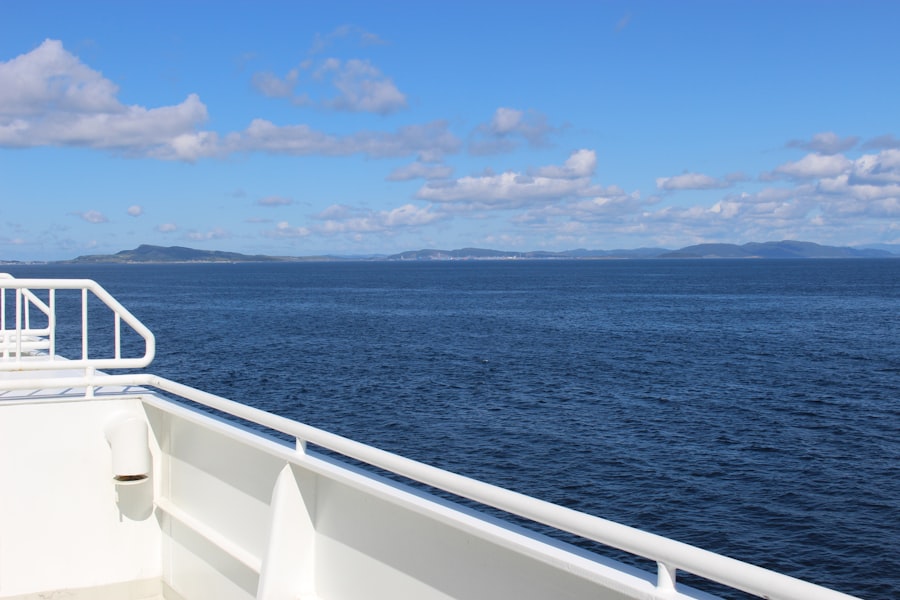
At the heart of the Norwegian Coastal Code are several key principles that guide outdoor activities along the coast. These principles serve as a foundation for responsible behaviour, encouraging individuals to engage with nature in a way that is both enjoyable and sustainable. One of the primary tenets of the Coastal Code is the idea of “allemannsretten,” or the right to roam, which grants everyone access to nature while simultaneously imposing a duty to respect it.
Another essential principle is the emphasis on safety. The Coastal Code encourages individuals to be well-prepared for their outdoor adventures, whether that involves checking weather conditions, bringing appropriate gear, or understanding local wildlife. By prioritising safety, outdoor enthusiasts can minimise risks and ensure that their experiences are both enjoyable and secure.
Furthermore, the Coastal Code advocates for environmental stewardship, urging individuals to leave no trace and minimise their impact on the natural surroundings. This holistic approach to outdoor life fosters a deep connection with nature while promoting its preservation.
Exploring the Coastal Area near Haugesund
Haugesund, located on Norway’s southwestern coast, is renowned for its stunning coastal scenery and rich maritime heritage. The area boasts a diverse range of landscapes, from rocky shorelines to sandy beaches, making it an ideal destination for those looking to explore the great outdoors. The coastal region near Haugesund offers numerous opportunities for hiking, fishing, and boating, allowing visitors to immerse themselves in the beauty of Norway’s natural environment.
As one ventures along the coastline near Haugesund, they will encounter picturesque islands, charming fishing villages, and vibrant marine life. The area’s unique geography provides ample opportunities for exploration, whether one chooses to hike along scenic trails or take to the water for a day of kayaking or sailing. However, as we revel in these experiences, it is crucial to remember the principles outlined in the Coastal Code.
By adhering to these guidelines, we can ensure that our adventures do not come at the expense of the environment or local communities.
How to Respect Wildlife and Nature
Respecting wildlife and nature is paramount when exploring Norway’s coastal areas. The diverse ecosystems found along the coast are home to a wide array of flora and fauna, many of which are sensitive to human activity. To protect these habitats, it is essential to observe wildlife from a distance and avoid disturbing their natural behaviours.
This means refraining from feeding animals or approaching nests and breeding grounds. Additionally, understanding seasonal variations in wildlife activity can enhance our appreciation for nature while ensuring we do not inadvertently disrupt delicate ecosystems. For instance, certain bird species may be nesting during specific months, making it crucial to avoid areas where they are known to breed.
By being mindful of our impact on wildlife and their habitats, we can foster a deeper connection with nature while contributing to its preservation.
Fishing and Foraging Guidelines

Fishing and foraging are popular activities along Norway’s coastline, offering individuals a chance to connect with nature while enjoying fresh produce from the sea. However, it is essential to follow guidelines set forth by the Coastal Code to ensure sustainable practices. When fishing, individuals should be aware of local regulations regarding catch limits and protected species.
Adhering to these rules not only helps maintain fish populations but also supports the overall health of marine ecosystems. Foraging for wild edibles can be an exciting way to engage with nature; however, it is crucial to do so responsibly. Individuals should educate themselves about which plants are safe to consume and avoid overharvesting any particular species.
Sustainable foraging practices ensure that these natural resources remain available for future generations while allowing us to enjoy the bounty of Norway’s coastal environment.
Camping and Fires: Rules and Best Practices
Camping along Norway’s coastline can be a rewarding experience, providing an opportunity to immerse oneself in nature while enjoying breathtaking views. However, it is essential to follow specific rules and best practices when camping in these areas. The Coastal Code encourages campers to choose designated camping sites whenever possible, as this helps minimise environmental impact and protects sensitive habitats.
When it comes to campfires, caution is paramount. Open fires can pose significant risks to both wildlife and vegetation; therefore, it is crucial to check local regulations regarding fire usage before lighting one. If fires are permitted, campers should use established fire pits when available and ensure that all embers are fully extinguished before leaving the site.
By adhering to these guidelines, campers can enjoy their outdoor experiences while safeguarding the natural environment.
Boating and Water Activities: Safety and Environmental Considerations
Boating and water activities are integral parts of life along Norway’s coast, offering unique perspectives on its stunning landscapes. However, safety should always be a top priority when engaging in these activities. The Coastal Code emphasises the importance of wearing life jackets, understanding navigation rules, and being aware of weather conditions before setting out on the water.
In addition to safety considerations, environmental awareness is crucial when boating or participating in water sports. Individuals should be mindful of their impact on marine ecosystems by avoiding sensitive areas such as breeding grounds or kelp forests. Furthermore, using eco-friendly products and fuels can help minimise pollution in these pristine waters.
By prioritising safety and environmental stewardship while boating, we can enjoy our time on the water without compromising the health of Norway’s coastal ecosystems.
Waste Management and Littering: Keeping the Coastline Clean
One of the most pressing issues facing coastal areas worldwide is littering and waste management. The Norwegian Coastal Code strongly advocates for keeping coastlines clean by encouraging individuals to take responsibility for their waste. This includes packing out all rubbish generated during outdoor activities and disposing of waste properly in designated bins or recycling facilities.
Moreover, participating in local clean-up initiatives can significantly contribute to maintaining the beauty of Norway’s coastline. Many communities organise beach clean-ups where volunteers come together to remove litter from shorelines. Engaging in such activities not only helps protect marine environments but also fosters a sense of community among those who share a love for nature.
By committing ourselves to responsible waste management practices, we can ensure that Norway’s coastal areas remain pristine for generations to come.
The Role of Local Communities and Authorities in Enforcing the Coastal Code
Local communities and authorities play a crucial role in enforcing the principles outlined in the Norwegian Coastal Code. They are responsible for educating residents and visitors about responsible outdoor practices while ensuring compliance with regulations designed to protect natural resources. Community engagement is vital; by fostering a culture of stewardship among residents, local authorities can create an environment where responsible outdoor life becomes second nature.
Additionally, local organisations often collaborate with environmental groups to monitor coastal ecosystems and address issues such as littering or habitat destruction. These partnerships help raise awareness about conservation efforts while providing valuable resources for those looking to engage with nature responsibly. By working together as a community, we can uphold the values enshrined in the Coastal Code and ensure that Norway’s coastal areas remain vibrant and accessible for all.
Embracing Responsible Outdoor Life in Haugesund’s Coastal Area
In conclusion, embracing responsible outdoor life along Haugesund’s coastal area is essential for preserving its natural beauty and ensuring that future generations can enjoy its wonders. The Norwegian Coastal Code provides invaluable guidance on how we can engage with nature sustainably while respecting wildlife and local ecosystems. By understanding its principles—ranging from fishing regulations to waste management—we can cultivate a culture of stewardship that prioritises environmental conservation.
As we explore this stunning region, let us remember that our actions have consequences; by adhering to the guidelines set forth in the Coastal Code, we can contribute positively to our surroundings while enjoying all that Norway’s coastline has to offer. For those looking to deepen their connection with this beautiful country through language learning or relocation support, organisations like NLS Norway Relocation Group offer invaluable resources. Their Norwegian courses at NLS Norwegian Language School in Oslo provide an excellent opportunity for newcomers to immerse themselves in both language and culture—an essential step towards fully embracing life in this remarkable coastal paradise.
Register for a Norwegian class at the NLS Norwegian Language School now!