
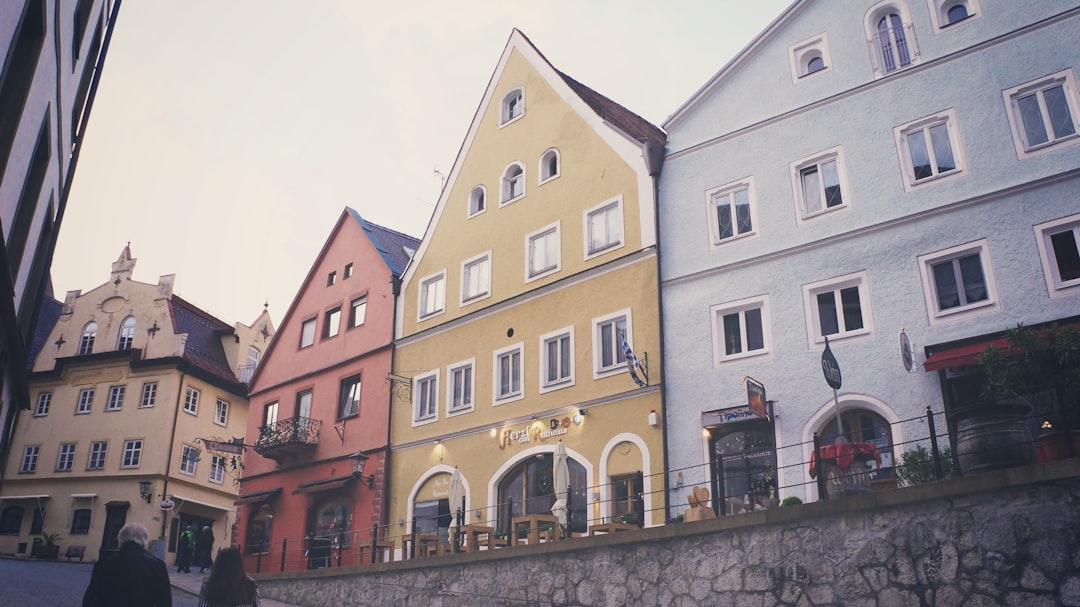
Kongsberg, a picturesque town nestled in the heart of Norway, is not only known for its rich history and stunning landscapes but also for its commitment to sustainable living. As environmental concerns continue to rise globally, the importance of waste sorting and recycling has become increasingly evident. In Kongsberg, local authorities and residents alike are taking significant strides towards creating a cleaner, greener community.
This article aims to explore the intricacies of waste sorting and recycling in Kongsberg, shedding light on its importance, processes, and the collective responsibility of its citizens. The journey towards effective waste management begins with understanding the fundamental principles of waste sorting. In Kongsberg, the local government has implemented various initiatives to educate residents about the significance of recycling and how it can positively impact the environment.
By fostering a culture of sustainability, Kongsberg is setting an example for other towns and cities in Norway and beyond. This article will delve into the various aspects of waste sorting and recycling, providing insights into how individuals can contribute to a more sustainable future. Schedule your personal consultation with a relocation expert from the NLS Norway Relocation Group.
Summary
- Waste sorting and recycling are essential practices in Kongsberg to reduce environmental impact and promote sustainability.
- Proper waste sorting and recycling help in conserving natural resources and reducing the amount of waste sent to landfills.
- Understanding the different types of waste and how to sort them is crucial for effective recycling in Kongsberg.
- The recycling process in Kongsberg involves collection, sorting, processing, and manufacturing into new products.
- Effective waste sorting at home can be achieved through simple tips such as using separate bins and being mindful of packaging materials.
Understanding the Importance of Waste Sorting and Recycling
Waste sorting and recycling are crucial components of environmental conservation. By separating waste at its source, we can significantly reduce the amount of rubbish that ends up in landfills. This not only conserves valuable natural resources but also minimises pollution and greenhouse gas emissions.
In Kongsberg, the local government has recognised the importance of these practices and has implemented comprehensive waste management strategies to encourage residents to participate actively. Moreover, recycling plays a vital role in conserving energy. The process of recycling materials such as paper, glass, and metals requires significantly less energy compared to producing new products from raw materials.
This energy conservation translates into reduced carbon emissions, contributing to the fight against climate change. In Kongsberg, residents are encouraged to embrace recycling as a means of reducing their carbon footprint while promoting a healthier environment for future generations.
The Different Types of Waste and How to Sort Them
Understanding the different types of waste is essential for effective sorting. In Kongsberg, waste is typically categorised into several distinct groups: organic waste, paper and cardboard, plastics, metals, glass, and hazardous waste. Each category requires specific handling and disposal methods to ensure that materials are recycled appropriately.
Organic waste includes food scraps and garden waste, which can be composted to create nutrient-rich soil. Paper and cardboard should be clean and dry before being placed in recycling bins, while plastics must be sorted according to their resin identification codes. Metals such as aluminium cans can be recycled indefinitely without losing quality, making them a valuable resource.
Glass is another recyclable material that can be reused repeatedly without degradation. Lastly, hazardous waste—such as batteries, chemicals, and electronic devices—requires special attention due to its potential harm to both human health and the environment.
The Recycling Process in Kongsberg
The recycling process in Kongsberg begins with the collection of sorted waste from households and businesses. The local government has established a robust infrastructure for waste collection, ensuring that residents have access to designated bins for each type of waste. Once collected, the materials are transported to recycling facilities where they undergo further sorting and processing.
At these facilities, advanced technologies are employed to separate materials more efficiently. For instance, conveyor belts and automated systems help sort plastics from metals and glass. After sorting, the materials are cleaned and prepared for recycling into new products.
This closed-loop system not only conserves resources but also reduces the need for new raw materials, thereby minimising environmental impact.
Tips for Effective Waste Sorting at Home
Effective waste sorting begins at home, where individuals can make a significant difference by adopting simple practices. One of the most effective strategies is to set up a dedicated space for waste separation within the home. By designating specific bins for each type of waste—organic, paper, plastics, metals, and glass—residents can streamline the sorting process and ensure that recyclables are not contaminated with non-recyclable materials.
Additionally, educating family members about what can and cannot be recycled is crucial. Providing clear labels on bins can help everyone in the household understand how to sort their waste correctly. It is also beneficial to stay informed about local recycling guidelines, as these may change over time.
By making waste sorting a family activity, residents can foster a sense of responsibility towards the environment while instilling good habits in younger generations.
How to Properly Dispose of Hazardous Waste
Hazardous waste poses unique challenges due to its potential risks to human health and the environment. In Kongsberg, proper disposal methods for hazardous materials are essential to prevent contamination and accidents. Residents should never dispose of hazardous waste in regular bins; instead, they should take advantage of designated collection points or special disposal events organised by local authorities.
Common types of hazardous waste include batteries, paint, chemicals, electronic devices, and fluorescent light bulbs. Many local retailers also offer take-back programmes for certain products, allowing consumers to return items that require special handling. By following these guidelines for hazardous waste disposal, residents can contribute to a safer community while protecting the environment from harmful substances.
The Role of the Local Government and Waste Management Companies
The local government plays a pivotal role in promoting effective waste management practices in Kongsberg. Through public awareness campaigns, educational programmes, and community events, authorities strive to engage residents in sustainable practices. Additionally, they collaborate with waste management companies to ensure that collection services are efficient and environmentally friendly.
Waste management companies are responsible for the logistics of collecting and processing recyclable materials. They invest in advanced technologies and infrastructure to enhance recycling rates while minimising environmental impact. By working together with local governments and communities, these companies help create a seamless system that encourages responsible waste management practices among residents.
The Benefits of Recycling for the Environment and the Community
Recycling offers numerous benefits that extend beyond environmental conservation. For one, it helps conserve natural resources by reducing the demand for raw materials. This conservation is particularly important in a country like Norway, where natural resources are finite.
Furthermore, recycling contributes to energy savings by reducing the energy required for manufacturing new products. On a community level, recycling fosters a sense of pride among residents who actively participate in sustainable practices. It creates job opportunities within the recycling industry and promotes economic growth by supporting local businesses that focus on sustainability.
Ultimately, recycling strengthens community bonds as residents come together to work towards a common goal: creating a cleaner and healthier environment for all.
Common Misconceptions about Waste Sorting and Recycling
Despite the growing awareness surrounding waste sorting and recycling, several misconceptions persist that can hinder effective participation. One common myth is that all recyclable materials can be placed in a single bin without any sorting required. In reality, contamination can render entire batches of recyclables unusable; thus, proper sorting is essential.
Another misconception is that recycling is not worth the effort because it does not significantly impact environmental issues. However, every small action contributes to a larger movement towards sustainability. By understanding these misconceptions and addressing them through education and outreach efforts, Kongsberg can empower its residents to engage more fully in responsible waste management practices.
Innovations and Initiatives in Kongsberg for Sustainable Waste Management
Kongsberg has embraced various innovations aimed at enhancing its waste management systems. One notable initiative is the introduction of smart bins equipped with sensors that monitor fill levels in real-time. This technology allows for more efficient collection routes and reduces unnecessary trips by waste collection vehicles.
Additionally, community engagement initiatives such as workshops on composting and recycling have been implemented to educate residents about sustainable practices. These efforts not only promote awareness but also encourage active participation in local sustainability initiatives. By fostering innovation and collaboration among residents, businesses, and local authorities, Kongsberg is paving the way for a more sustainable future.
Conclusion and Call to Action for Sustainable Waste Management in Kongsberg
In conclusion, effective waste sorting and recycling are vital components of Kongsberg’s commitment to sustainability. By understanding the importance of these practices and actively participating in them, residents can contribute significantly to environmental conservation efforts within their community. The role of local government and waste management companies cannot be understated; their collaborative efforts create an infrastructure that supports responsible waste management.
As we move forward into an era where sustainability is paramount, it is essential for every resident of Kongsberg to take action—whether through proper waste sorting at home or participating in community initiatives aimed at promoting recycling. Together, we can build a cleaner, greener future for Kongsberg that benefits both our environment and our community as a whole. Let us embrace our collective responsibility towards sustainable waste management and inspire others to do the same!
Register for a Norwegian class at the NLS Norwegian Language School now!