
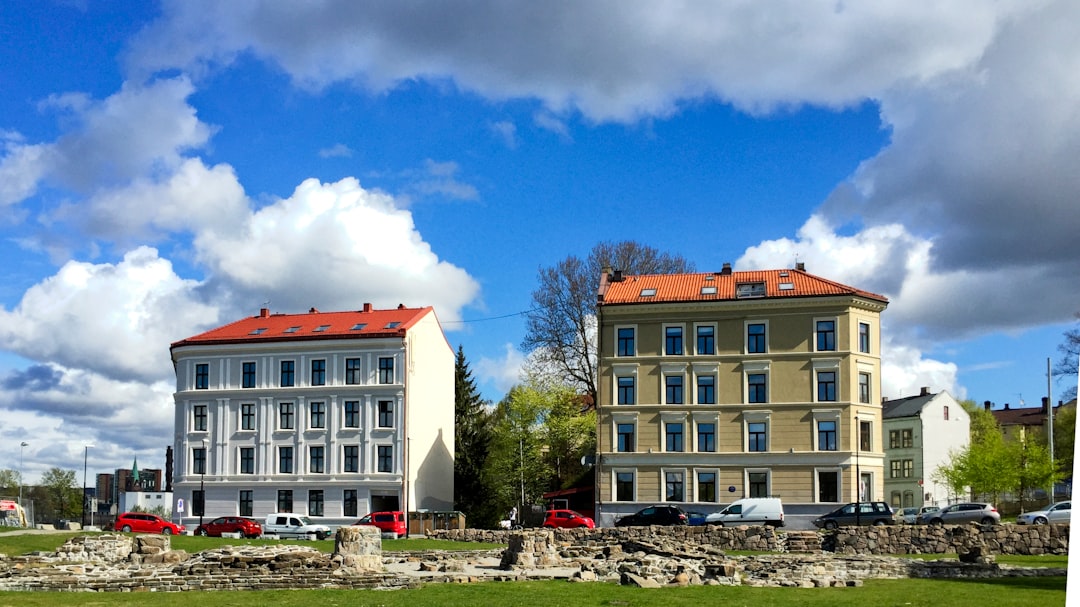
Oslo, the capital of Norway, boasts a robust and well-structured education system that is designed to cater to the diverse needs of its population. The education system in Oslo is divided into several levels, starting from kindergarten (barnehage) for children aged 1 to 6, followed by primary school (grunnskole) for ages 6 to 16. The primary school curriculum is comprehensive, focusing on a wide range of subjects including mathematics, science, languages, and social studies.
After completing primary school, students have the option to pursue secondary education, which includes both general and vocational tracks. One of the standout features of the Norwegian education system is its emphasis on inclusivity and equal opportunities for all children. The government provides free education at all levels, ensuring that every child has access to quality schooling regardless of their background.
Additionally, there is a strong focus on fostering creativity and critical thinking skills among students. This holistic approach not only prepares children academically but also equips them with essential life skills that are crucial for their future endeavors. Planning your move to Norway? Let’s create a strategy together. Book a one-on-one session with the NLS Norway Relocation Group.
Key Takeaways
- The education system in Oslo is characterized by a strong emphasis on inclusive education and a child-centered approach.
- When choosing a school or kindergarten in Oslo, factors to consider include the school’s educational philosophy, teaching methods, and extracurricular activities.
- Researching different schools and kindergartens in Oslo involves gathering information on their academic programs, facilities, and staff qualifications.
- Visiting potential schools and kindergartens allows parents to observe the learning environment, interact with teachers, and assess the school’s atmosphere.
- Considering the curriculum and teaching methods is essential in determining whether a school’s educational approach aligns with the child’s learning style and interests.
Factors to Consider When Choosing a School or Kindergarten
When selecting a school or kindergarten for your child in Oslo, several factors come into play. First and foremost, it is essential to consider the educational philosophy and values of the institution. Different schools may adopt varying approaches to teaching and learning, ranging from traditional methods to more progressive, child-centered practices.
Understanding these philosophies can help parents align their expectations with the school’s approach. Another critical factor is the school’s location and accessibility. Oslo is a sprawling city with various neighborhoods, each offering unique characteristics.
Parents should consider how far they are willing to commute and whether the school is easily reachable via public transport. Proximity to home can significantly impact daily routines and overall family dynamics, making it an important aspect to evaluate when choosing a school or kindergarten.
Researching Different Schools and Kindergartens in Oslo
Researching different schools and kindergartens in Oslo can be an overwhelming task, given the multitude of options available. However, leveraging online resources can simplify this process significantly. Websites dedicated to education in Norway often provide comprehensive lists of schools along with detailed descriptions of their programs, facilities, and extracurricular activities.
Additionally, forums and social media groups can offer valuable insights from other parents who have firsthand experience with specific institutions. In addition to online research, it is beneficial to consult local educational authorities or expat communities for recommendations. These sources can provide guidance on which schools have strong reputations and are known for their academic excellence or nurturing environments.
Gathering as much information as possible will empower parents to make informed decisions that best suit their child’s needs.
Visiting Potential Schools and Kindergartens
Once you have narrowed down your options, visiting potential schools and kindergartens is a crucial step in the decision-making process. A personal visit allows parents to get a feel for the school’s atmosphere and culture. During these visits, it is essential to observe how teachers interact with students and whether the environment feels welcoming and supportive.
Moreover, visiting schools provides an opportunity to ask questions directly to staff members about their teaching methods, curriculum, and any specific programs they offer. Engaging in conversations with teachers can also give parents insight into how they handle various situations and support children’s individual learning needs. This firsthand experience can be invaluable in determining whether a particular school aligns with your family’s values and expectations.
Considering the Curriculum and Teaching Methods
The curriculum and teaching methods employed by a school or kindergarten are fundamental aspects that can significantly influence a child’s educational experience. In Oslo, many schools follow the national curriculum set by the Norwegian government, which emphasizes a balanced approach to education that includes both academic subjects and social skills development. However, some institutions may offer specialized programs or alternative pedagogical approaches that cater to specific learning styles.
When evaluating a school’s curriculum, parents should consider whether it aligns with their child’s interests and strengths. For instance, if a child has a passion for the arts or sciences, finding a school that offers robust programs in those areas can enhance their educational journey. Additionally, understanding how teachers engage students in the learning process—whether through hands-on activities, group projects, or technology integration—can provide insight into how well the school fosters a love for learning.
Assessing the School’s Facilities and Resources

The facilities and resources available at a school or kindergarten play a significant role in shaping the overall educational experience for children. Modern classrooms equipped with technology can enhance learning opportunities, while well-maintained outdoor spaces encourage physical activity and exploration. When visiting potential schools, parents should take note of the condition of facilities such as libraries, laboratories, playgrounds, and sports areas.
Furthermore, access to additional resources such as counseling services, special education support, and extracurricular activities can greatly benefit students’ overall development. Schools that prioritize providing a wide range of resources demonstrate a commitment to meeting the diverse needs of their student population. Parents should inquire about these resources during their visits to ensure that their child will have access to the support they may need throughout their educational journey.
Evaluating the School’s Reputation and Performance
A school’s reputation can provide valuable insights into its overall quality and effectiveness. Parents should consider seeking out reviews from other families who have enrolled their children in the institution. Online platforms often feature ratings and testimonials that can shed light on the experiences of current and former students.
Additionally, local community forums may offer discussions about various schools’ strengths and weaknesses. Performance metrics such as standardized test scores and graduation rates can also serve as indicators of a school’s academic success. However, it is essential to remember that these numbers do not tell the whole story; factors such as student engagement, teacher-student relationships, and overall school culture are equally important in evaluating a school’s performance.
A well-rounded assessment will help parents make informed decisions about which institution will best support their child’s growth.
Considering the Location and Accessibility of the School or Kindergarten
The location of a school or kindergarten is an important consideration for families living in Oslo. The city’s public transportation system is efficient but can vary in accessibility depending on where you live. Parents should evaluate how far they are willing to travel each day for drop-off and pick-up while considering factors such as traffic patterns during peak hours.
Additionally, proximity to home can impact your child’s social life and extracurricular activities. Schools located within your neighborhood may offer more opportunities for playdates and community involvement, fostering friendships among families living nearby. Balancing convenience with quality education is key when determining which school or kindergarten will best suit your family’s needs.
Understanding the Admission Process and Requirements
Navigating the admission process for schools and kindergartens in Oslo can be complex, especially for newcomers to Norway. Each institution may have its own set of requirements regarding applications, documentation, and deadlines. It is crucial for parents to familiarize themselves with these processes early on to ensure they meet all necessary criteria.
Some schools may require interviews or assessments as part of their admission process, while others may prioritize enrollment based on geographical location or sibling attendance. Understanding these nuances will help parents prepare adequately and increase their chances of securing a spot for their child in their desired institution.
Considering the Cost and Financial Considerations
While public education in Norway is free at all levels, there may still be costs associated with attending certain schools or kindergartens. Private institutions often charge tuition fees that can vary significantly based on factors such as location and facilities offered. Additionally, parents should consider potential costs related to uniforms, extracurricular activities, transportation, and school supplies.
Budgeting for these expenses is essential for families planning their finances around education costs. It is advisable to research various institutions’ fee structures thoroughly before making any commitments to ensure that they align with your family’s financial situation.
Making the Final Decision and Enrolling Your Child in the Right School or Kindergarten
After conducting thorough research and visiting potential schools or kindergartens in Oslo, it is time for parents to make their final decision regarding where to enroll their child. This choice should be based on a combination of factors including educational philosophy, curriculum offerings, facilities available, reputation within the community, location convenience, admission requirements, and financial considerations. Once you have made your decision, it is important to complete all necessary enrollment paperwork promptly to secure your child’s place at the chosen institution.
Additionally, consider reaching out to other parents within the school community for support as you transition into this new chapter of your family’s life in Oslo. In conclusion, navigating the education system in Oslo requires careful consideration of various factors when choosing a school or kindergarten for your child. The NLS Norway Relocation Group offers comprehensive relocation services that can assist families in understanding these complexities while providing valuable resources throughout the process.
Furthermore, enrolling your child in Norwegian courses at the NLS Norwegian Language School in Oslo can greatly enhance their integration into both school life and Norwegian society as a whole. By investing time into researching options available within Oslo’s education system alongside utilizing relocation services effectively—families can ensure they make informed decisions that will positively impact their children’s futures.
Sign up for a Norwegian class today at NLS Norwegian Language School.