
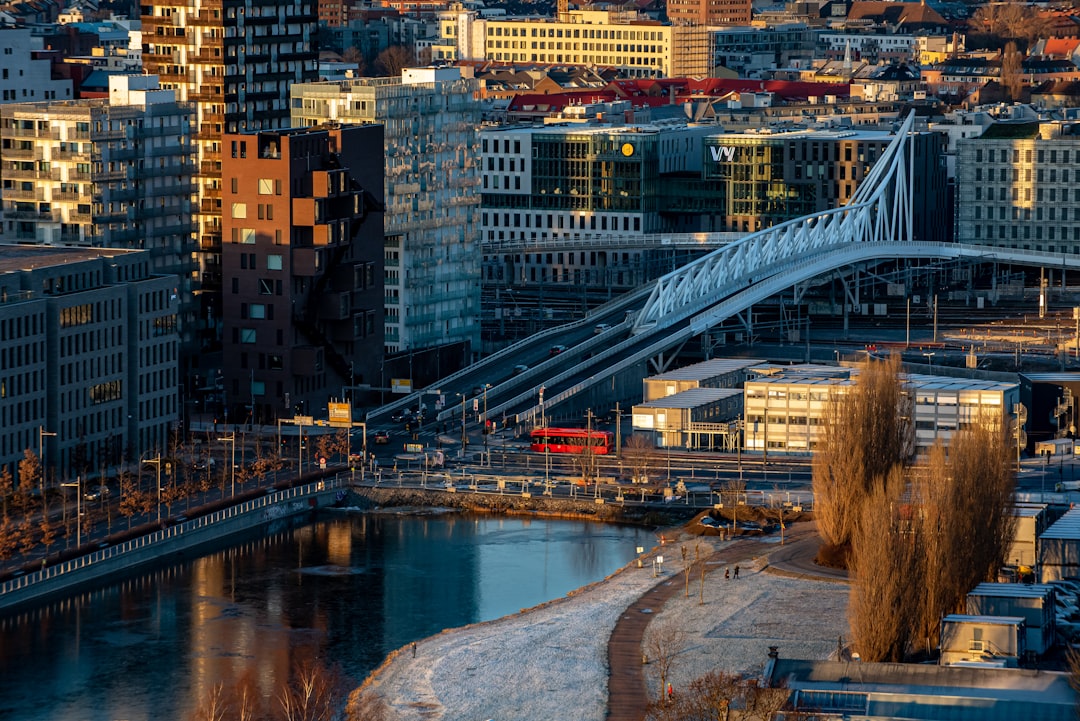
Norway, known for its stunning fjords, vibrant cities, and high standard of living, has become an increasingly popular destination for expatriates and tourists alike. However, the allure of this Scandinavian gem comes with a price tag that can be daunting for many. The cost of living in Norway is often cited as one of the highest in the world, and understanding the various components that contribute to this expense is essential for anyone considering a move or an extended stay.
From housing and food to transportation and healthcare, each aspect of daily life in Norway can significantly impact one’s budget. As we delve into the intricacies of living costs in Norway, it is crucial to recognise that while prices may be steep, the quality of life often compensates for these expenses. The country boasts a robust welfare system, excellent public services, and a strong economy, which can make the financial outlay worthwhile.
This article aims to provide a comprehensive overview of the various costs associated with living in Norway, offering insights that can help individuals and families make informed decisions about their financial planning. Book Your Private Consultation with NLS Norway Relocation Group.
Summary
- Norway is known for its high cost of living, with expenses such as housing, food, transportation, healthcare, and education being significantly higher than in many other countries.
- Housing costs in Norway are particularly high, with rental prices in major cities like Oslo and Bergen being some of the highest in Europe.
- Food and grocery expenses in Norway are also expensive, with the cost of basic items like bread, milk, and meat being higher than in many other European countries.
- Transportation costs in Norway can be steep, with fuel prices, tolls, and public transport fares all contributing to the overall expense of getting around.
- Healthcare and insurance expenses in Norway are also significant, with high taxes funding the country’s comprehensive healthcare system and mandatory insurance requirements for residents.
Housing Costs in Norway
Housing is typically one of the most significant expenses for anyone living in Norway. The cost of renting or purchasing property varies considerably depending on the location. Major cities like Oslo and Bergen tend to have higher rental prices compared to smaller towns and rural areas.
In Oslo, for instance, a one-bedroom apartment in the city centre can cost upwards of 15,000 NOK per month, while similar accommodations outside the city may be available for around 10,000 NOK. This stark contrast highlights the importance of location when considering housing options. Moreover, the housing market in Norway is characterised by a competitive nature, particularly in urban areas where demand often outstrips supply.
This competition can lead to bidding wars for desirable properties, further driving up prices. For those looking to buy, it is essential to factor in additional costs such as property taxes and maintenance fees. While housing costs can be steep, many Norwegians find that the quality of their homes and the surrounding environment justify the expense.
Food and Grocery Expenses in Norway
Food prices in Norway are notoriously high, making grocery shopping a significant part of monthly expenses. The cost of basic staples such as bread, milk, and vegetables can be considerably more than what one might expect in other countries. For example, a loaf of bread may cost around 30 NOK, while a litre of milk can set you back approximately 20 NOK.
Dining out is also an expensive affair; a meal at a mid-range restaurant can easily exceed 300 NOK per person. Despite these high prices, Norwegians have developed strategies to manage their food budgets effectively. Many residents opt for discount supermarkets or shop during sales to mitigate costs.
Additionally, seasonal produce tends to be more affordable and fresher than imported goods. Embracing local cuisine and cooking at home can also provide a more economical alternative to eating out frequently.
Transportation Costs in Norway
Transportation costs in Norway vary depending on the mode of travel chosen. Public transport is widely used in urban areas, with options including buses, trams, and trains. A monthly public transport pass in Oslo can cost around 800 NOK, which provides unlimited travel within the city limits.
For those who prefer driving, fuel prices are relatively high compared to other countries, often exceeding 15 NOK per litre. Additionally, car ownership comes with expenses such as insurance, maintenance, and parking fees. For those living in more remote areas or who require flexibility in their travel plans, owning a car may be necessary despite the associated costs.
However, it is worth noting that Norway’s extensive network of public transport makes it feasible for many residents to rely on buses and trains for their daily commutes. This not only helps save money but also contributes to reducing carbon emissions.
Healthcare and Insurance Expenses in Norway
Norway boasts a comprehensive public healthcare system that provides residents with access to high-quality medical services at little or no cost at the point of use. However, it is essential to understand that while healthcare is funded through taxes, there are still some out-of-pocket expenses involved. For instance, patients may need to pay a nominal fee for consultations or treatments until they reach an annual cap on expenses.
For expatriates or those not covered by the public system, private health insurance may be necessary. The cost of private insurance can vary widely based on coverage options and individual health needs. While private healthcare can offer shorter waiting times and more personalised services, many residents find that the public system meets their needs effectively without incurring significant costs.
Education and Childcare Costs in Norway
Education in Norway is primarily free for residents, including primary and secondary schooling. However, there are some costs associated with school supplies and extracurricular activities that parents should consider when budgeting for their children’s education. Additionally, while public schools are free, many families opt for private institutions or international schools that may charge tuition fees.
Childcare costs can be another significant expense for families with young children. Although the government subsidises childcare services to some extent, parents may still find themselves paying substantial fees depending on their income level and the type of care required. On average, monthly fees for daycare can range from 3,000 to 5,000 NOK per child.
Despite these costs, many parents appreciate the high quality of childcare services available in Norway.
Entertainment and Leisure Expenses in Norway
When it comes to entertainment and leisure activities, Norwegians enjoy a wide range of options that cater to various interests. However, engaging in these activities can come at a premium price. Cinema tickets typically cost around 120 NOK each, while entry fees for museums or galleries can range from 100 to 200 NOK.
Outdoor activities such as skiing or hiking may require additional expenses for equipment rental or park entry fees. Despite these costs, many residents find ways to enjoy leisure activities without breaking the bank. Outdoor pursuits are particularly popular in Norway due to the country’s stunning natural landscapes; hiking trails are often free to access and provide an excellent way to explore the great outdoors.
Additionally, community events and festivals frequently offer free or low-cost entertainment options that allow residents to socialise without overspending.
Taxes and Other Mandatory Expenses in Norway
Taxes play a significant role in funding Norway’s extensive welfare system and public services. The income tax rate varies based on earnings but can reach as high as 38% for higher earners. Additionally, value-added tax (VAT) is applied to most goods and services at a standard rate of 25%.
While these taxes may seem steep, they contribute to the high quality of life enjoyed by residents through access to free healthcare, education, and social services. In addition to taxes, residents should also consider other mandatory expenses such as pension contributions and social security payments. These deductions are typically taken directly from salaries but are essential for ensuring long-term financial security and access to benefits later in life.
When comparing the cost of living between a single person and a family in Norway, it becomes evident that families often face higher overall expenses due to additional needs such as childcare and education costs. A single individual may find it easier to manage their budget with fewer financial obligations; however, they may still encounter high housing and food prices that can strain their finances. Families must account for multiple factors when budgeting; childcare fees alone can significantly impact monthly expenses.
Additionally, larger households typically require more substantial grocery budgets and may incur higher transportation costs if multiple family members need to commute daily. Ultimately, while both singles and families face challenges related to living costs in Norway, families must navigate a more complex financial landscape.
Tips for Saving Money and Budgeting in Norway
Living in Norway does not have to mean sacrificing financial stability; there are several strategies individuals and families can employ to save money effectively. One key tip is to create a detailed budget that outlines all income sources and expenses. By tracking spending habits closely, residents can identify areas where they might cut back or make adjustments.
Shopping smartly is another effective way to save money on groceries and household items. Taking advantage of sales at local supermarkets or opting for discount stores can lead to significant savings over time. Additionally, embracing local produce not only supports local farmers but also tends to be more affordable than imported goods.
For those looking to enjoy leisure activities without overspending, exploring free community events or outdoor activities can provide ample entertainment without straining finances. Many cities host festivals or cultural events throughout the year that offer free admission or low-cost options.
Is Living in Norway Worth the Cost?
In conclusion, while the cost of living in Norway is undeniably high compared to many other countries, it is essential to weigh these expenses against the benefits offered by life in this beautiful nation. The quality of public services such as healthcare and education is exceptional; combined with stunning natural landscapes and a strong sense of community, many residents find that their overall quality of life justifies the financial outlay. For those considering moving to Norway or spending an extended period there, understanding the various components of living costs is crucial for effective budgeting and financial planning.
With careful management of expenses and an appreciation for local culture and resources, living in Norway can be an enriching experience that offers both personal fulfilment and professional opportunities. As you embark on your journey in Norway—whether for work or study—consider enrolling in Norwegian courses at the NLS Norwegian Language School. Mastering the language will not only enhance your experience but also open doors to deeper connections within the community.
The NLS offers tailored courses designed for all levels of proficiency, ensuring you gain confidence in your language skills while immersing yourself fully in Norwegian culture. Embrace this opportunity; it could be one of your most rewarding investments while living in this remarkable country!
Register for a Norwegian class at the NLS Norwegian Language School now!