
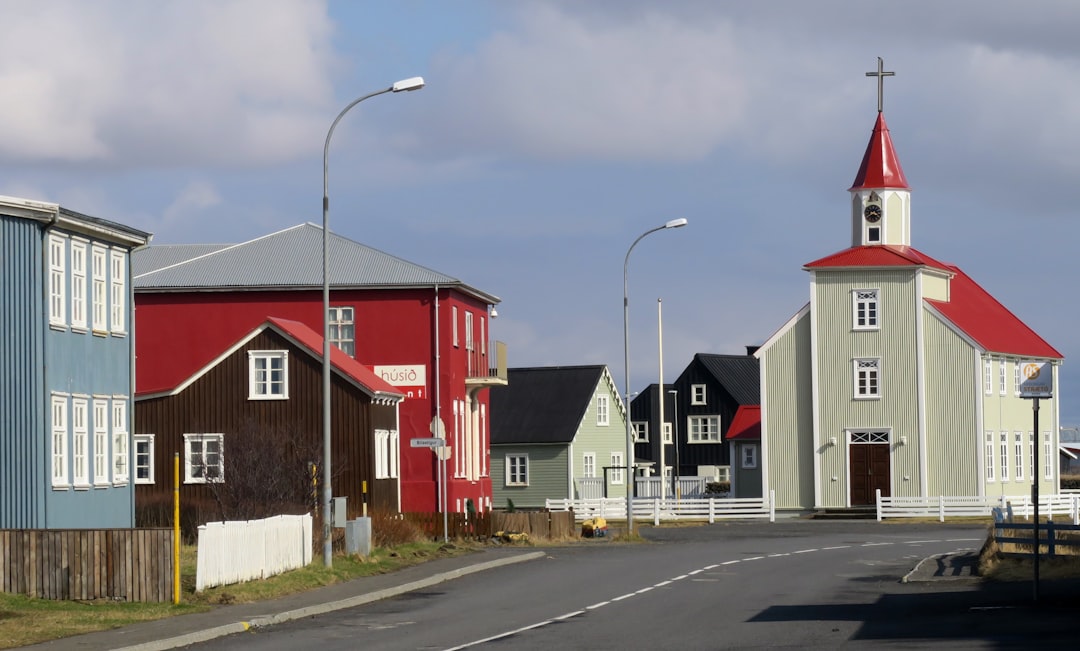
In the picturesque town of Hammerfest, located in the far north of Norway, the importance of waste sorting and recycling has become increasingly evident. As a community that prides itself on its stunning natural landscapes and rich cultural heritage, Hammerfest is also acutely aware of the environmental challenges posed by waste management. The local government and residents alike are committed to fostering a sustainable future, and waste sorting and recycling play a pivotal role in this endeavour.
By understanding the processes involved and actively participating in them, the citizens of Hammerfest can contribute to a cleaner, greener environment. Waste sorting and recycling are not merely bureaucratic necessities; they are essential practices that can significantly reduce the amount of waste sent to landfills. In Hammerfest, where the population is relatively small but growing, the need for effective waste management strategies is paramount.
The community’s commitment to sustainability is reflected in its initiatives aimed at educating residents about proper waste disposal methods and encouraging active participation in recycling programmes. This article will explore the various aspects of waste sorting and recycling in Hammerfest, highlighting its importance, processes, and benefits for both the community and the environment. Ready to plan your move to Norway? Schedule your complimentary one-on-one strategy session with our experts.
Summary
- Waste sorting and recycling are essential practices in Hammerfest for a sustainable future.
- Proper waste sorting and recycling help reduce environmental impact and conserve resources in Hammerfest.
- Residents in Hammerfest can sort their waste into categories such as paper, plastic, glass, and organic waste.
- Recyclable materials in Hammerfest include paper, cardboard, plastic bottles, glass containers, and metal cans.
- Hazardous waste in Hammerfest should be disposed of at designated facilities to prevent harm to the environment and public health.
Understanding the Importance of Waste Sorting and Recycling
The significance of waste sorting and recycling cannot be overstated. At its core, waste sorting involves categorising materials based on their type and recyclability, which is crucial for effective waste management. By separating recyclable materials from general waste, communities can significantly reduce the volume of rubbish that ends up in landfills.
This not only conserves valuable land resources but also mitigates the environmental impact associated with waste disposal. In Hammerfest, where natural beauty is a defining characteristic, preserving the environment is a shared responsibility among residents. Moreover, recycling plays a vital role in conserving natural resources.
Many materials that are commonly discarded can be repurposed into new products, reducing the need for virgin materials and minimising energy consumption during production. For instance, recycling paper saves trees, while recycling metals reduces the need for mining. In Hammerfest, where local industries rely on sustainable practices, embracing recycling can lead to economic benefits as well.
By fostering a culture of recycling, Hammerfest not only protects its environment but also supports local businesses and creates job opportunities in the recycling sector.
The Basics of Waste Sorting in Hammerfest
In Hammerfest, waste sorting begins at home. Residents are encouraged to adopt simple yet effective practices to ensure that their waste is sorted correctly. The local authorities provide clear guidelines on how to separate different types of waste, including paper, plastics, metals, glass, and organic materials.
Each category has designated bins or containers placed throughout the town to facilitate easy disposal. By following these guidelines, residents can contribute to a more efficient waste management system. Education plays a crucial role in ensuring that residents understand the importance of proper waste sorting.
The municipality often conducts workshops and information campaigns to raise awareness about the benefits of recycling and how to sort waste effectively. These initiatives aim to empower residents with knowledge about what can be recycled and how to do it correctly. By fostering a sense of community responsibility towards waste management, Hammerfest is paving the way for a more sustainable future.
Identifying Recyclable Materials in Hammerfest
Identifying recyclable materials is an essential aspect of effective waste sorting in Hammerfest. Common recyclable items include paper products such as newspapers, magazines, and cardboard; plastics marked with recycling symbols; glass bottles and jars; and metals like aluminium cans. However, it is crucial for residents to be aware of local regulations regarding recyclables, as not all materials may be accepted in the recycling stream.
In addition to traditional recyclables, Hammerfest encourages residents to consider other items that can be repurposed or reused. For example, textiles can often be donated or recycled through specific programmes aimed at reducing clothing waste. Electronic waste is another category that requires special attention; many local facilities offer designated drop-off points for old electronics to ensure they are disposed of safely and responsibly.
By being informed about what can be recycled, residents can make more conscious choices that contribute to a sustainable community.
How to Properly Dispose of Hazardous Waste in Hammerfest
Hazardous waste poses unique challenges for waste management in Hammerfest. Items such as batteries, paints, chemicals, and electronic devices contain substances that can be harmful to both human health and the environment if not disposed of properly. Therefore, it is imperative for residents to understand how to handle these materials safely.
In Hammerfest, there are specific guidelines for disposing of hazardous waste. The municipality provides designated collection points where residents can drop off hazardous items for safe disposal. Additionally, periodic collection events may be organised to facilitate the proper disposal of hazardous materials.
It is essential for residents to stay informed about these events and adhere to local regulations regarding hazardous waste disposal. By doing so, they can help protect their community from potential environmental hazards.
The Role of Composting in Waste Management in Hammerfest

Composting is an integral part of waste management in Hammerfest that complements traditional recycling efforts. Organic waste, such as food scraps and garden debris, constitutes a significant portion of household waste. Instead of sending this material to landfills where it contributes to greenhouse gas emissions, composting allows residents to transform organic matter into nutrient-rich soil.
The municipality promotes composting by providing residents with information on how to set up their compost bins at home. Community composting initiatives may also be available for those who do not have space for personal composting systems. By participating in composting programmes, residents can reduce their overall waste output while contributing to soil health and supporting local gardening efforts.
Tips for Reducing Waste in Hammerfest
Reducing waste is an essential component of sustainable living in Hammerfest. While recycling and composting are vital practices, minimising waste generation at the source is equally important. Residents can adopt several strategies to reduce their waste footprint effectively.
One practical approach is to embrace a minimalist lifestyle by purchasing only what is necessary and opting for products with minimal packaging. Additionally, residents can support local businesses that prioritise sustainability by offering bulk purchasing options or eco-friendly products. Another effective strategy is to engage in community initiatives focused on reducing single-use plastics and promoting reusable alternatives.
By collectively working towards reducing waste generation, the people of Hammerfest can create a more sustainable community.
The Process of Recycling in Hammerfest
The recycling process in Hammerfest involves several stages that ensure materials are effectively repurposed into new products. Once residents have sorted their recyclables into designated bins, these materials are collected by local authorities and transported to recycling facilities. At these facilities, items are further sorted based on material type before being processed for recycling.
The processing stage involves cleaning and breaking down materials into raw forms suitable for manufacturing new products. For example, paper is pulped and reformed into sheets, while plastics are melted down and reshaped into pellets for new plastic products. The final stage involves distributing these recycled materials back into the market for use by manufacturers.
By understanding this process, residents can appreciate the impact of their recycling efforts on creating a circular economy within their community.
The Benefits of Waste Sorting and Recycling for the Environment
The environmental benefits of waste sorting and recycling are profound and far-reaching. By diverting waste from landfills through effective sorting practices, communities like Hammerfest can significantly reduce greenhouse gas emissions associated with decomposition processes in landfills. Furthermore, recycling conserves natural resources by reducing the need for raw materials extraction and processing.
In addition to mitigating climate change impacts, recycling also helps preserve biodiversity by reducing habitat destruction associated with resource extraction activities. For instance, recycling paper reduces deforestation rates while recycling metals decreases mining activities that disrupt ecosystems. Ultimately, by embracing waste sorting and recycling practices, Hammerfest not only protects its own environment but also contributes positively to global sustainability efforts.
Resources and Facilities for Waste Sorting and Recycling in Hammerfest
Hammerfest offers various resources and facilities designed to support residents in their waste sorting and recycling efforts. The municipality provides clear guidelines on what materials can be recycled and where designated collection points are located throughout the town. Additionally, educational resources such as brochures and online platforms offer valuable information on best practices for waste management.
Local facilities play a crucial role in facilitating effective recycling processes as well. These include recycling centres where residents can drop off larger items or hazardous materials that require special handling. Community events focused on sustainability may also be organised periodically to engage residents further in recycling initiatives while fostering a sense of community responsibility towards environmental stewardship.
Taking Action for a Sustainable Future in Hammerfest
In conclusion, the journey towards effective waste sorting and recycling in Hammerfest is one that requires collective effort from both residents and local authorities alike. By understanding the importance of these practices and actively participating in them, individuals can contribute significantly to creating a sustainable future for their community. From identifying recyclable materials to properly disposing of hazardous waste and embracing composting initiatives, every action counts.
As Hammerfest continues its commitment towards sustainability through education and resource provision, it is essential for residents to take action now more than ever. By fostering a culture of responsibility towards waste management within their homes and communities, they can ensure that future generations inherit an environment that reflects their values of conservation and respect for nature. For those looking to further integrate into Norwegian society while learning about sustainability practices like waste sorting and recycling, NLS Norway Relocation Group offers invaluable support services tailored specifically for newcomers.
Their Norwegian courses at the NLS Norwegian Language School in Oslo provide an excellent opportunity not only to learn the language but also to engage with local customs surrounding environmental stewardship—an essential aspect of life in Norway today!
Register for a Norwegian class at the NLS Norwegian Language School now!