

When considering a move to Norway, immersing oneself in the local culture and customs is paramount. Understanding the social norms, traditions, and values of the Norwegian people can significantly ease the transition and foster a sense of belonging. Norwegians are known for their egalitarian society, where respect for personal space and privacy is highly valued.
It is common for people to greet each other with a firm handshake, and maintaining eye contact during conversations is seen as a sign of sincerity. Additionally, Norwegians appreciate punctuality; being late is often considered disrespectful. Moreover, exploring the rich tapestry of Norwegian traditions can provide insight into the country’s identity.
From the celebration of Midsummer to the observance of Christmas with unique customs such as “julebord” (Christmas parties), understanding these cultural nuances can enhance your experience in Norway. Engaging with local festivals, trying traditional foods like “lutefisk” or “rakfisk,” and participating in outdoor activities such as hiking or skiing can help newcomers feel more integrated into their new environment. Schedule your personal strategy session with the NLS Norway Relocation Group.
Summary
- Research local culture and customs to understand the social norms and etiquette in Norway.
- Secure necessary visas and permits before moving to Norway to avoid any legal issues.
- Find accommodation in Norway by researching different areas and considering your budget and preferences.
- Sort out healthcare and insurance to ensure you have access to medical services in Norway.
- Organize your finances and banking by opening a local bank account and transferring funds.
Securing Necessary Visas and Permits
Securing the appropriate visas and permits is a crucial step in the relocation process to Norway. Depending on your nationality and the purpose of your move, different visa requirements may apply. For instance, EU/EEA citizens enjoy the freedom of movement within Norway, allowing them to live and work without a visa.
However, non-EU/EEA citizens must navigate a more complex process, often requiring a work permit or residence permit before arriving in the country. It is advisable to begin this process well in advance of your planned move. The Norwegian Directorate of Immigration (UDI) provides comprehensive guidelines on the various types of permits available, including family immigration permits for those moving with family members.
Gathering all necessary documentation, such as proof of employment or financial stability, is essential to ensure a smooth application process. Consulting with immigration experts or relocation services can also provide valuable assistance in navigating this often intricate bureaucratic landscape.
Finding Accommodation in Norway
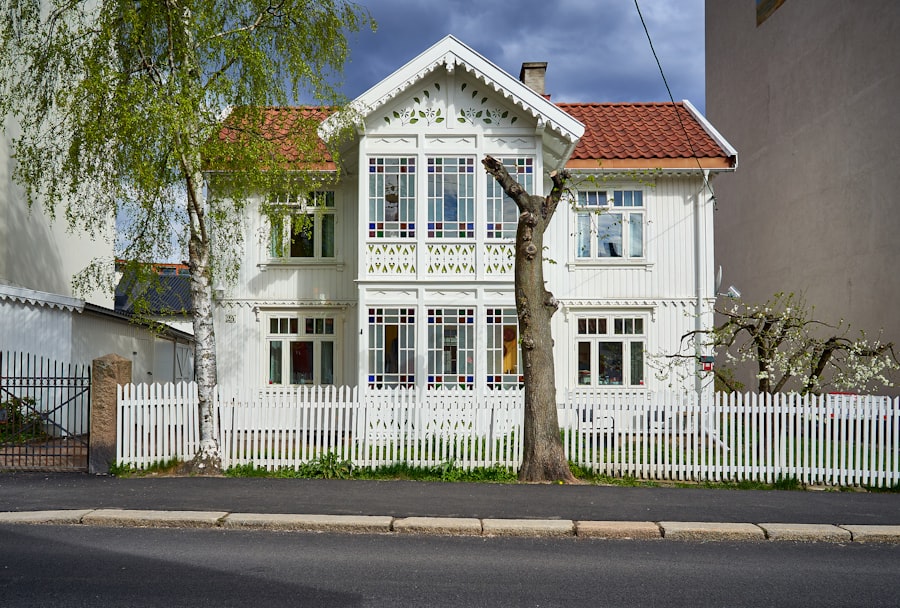
Finding suitable accommodation in Norway can be both exciting and challenging. The housing market varies significantly between urban and rural areas, with cities like Oslo experiencing higher demand and rental prices. It is essential to research different neighbourhoods to find one that aligns with your lifestyle preferences and budget.
Factors such as proximity to public transport, schools, and local amenities should be considered when making your choice. Once you have identified potential areas, utilising online platforms and local real estate agents can streamline your search for accommodation. Websites like Finn.no and Hybel.no are popular resources for finding rental properties.
Additionally, it may be beneficial to visit potential homes in person if possible, as this allows you to gauge the atmosphere of the neighbourhood and assess the condition of the property. Engaging with local communities through social media groups can also provide insights into available rentals and help you connect with fellow expatriates.
Sorting Out Healthcare and Insurance
Navigating the healthcare system in Norway is an essential aspect of relocating to the country. Norway boasts a high standard of healthcare services, primarily funded through taxation. Upon moving, it is crucial to register with the National Registry to gain access to public healthcare services.
This registration process typically requires proof of residency and identification documents. In addition to public healthcare, many expatriates opt for private health insurance to cover additional services or quicker access to specialists. Researching various insurance providers and comparing their offerings can help you find a plan that suits your needs.
It is also advisable to familiarise yourself with local healthcare facilities, including hospitals and clinics, ensuring you know where to seek medical assistance when needed.
Organizing Your Finances and Banking
Organising your finances before relocating to Norway is vital for a smooth transition. Opening a Norwegian bank account should be one of your first priorities upon arrival, as it will facilitate everyday transactions and salary deposits. Most banks require identification documents, proof of residency, and sometimes a Norwegian personal identification number (personnummer) to open an account.
Additionally, understanding the cost of living in Norway is crucial for budgeting purposes. While salaries are generally higher than in many other countries, so too are living expenses. Researching average costs for housing, groceries, transportation, and leisure activities will help you create a realistic financial plan.
It may also be beneficial to consult with financial advisors who specialise in expatriate services to ensure you are making informed decisions regarding investments and savings.
Arranging Transportation for Your Belongings

Arranging transportation for your belongings is a significant logistical task when relocating to Norway. Depending on the volume of items you plan to bring, you may choose between air freight for quicker delivery or sea freight for larger shipments at a lower cost. Engaging professional moving companies that specialise in international relocations can simplify this process considerably.
It is essential to obtain quotes from multiple moving companies and inquire about their services, including packing assistance and insurance coverage for your belongings during transit. Additionally, creating an inventory list of your items can help keep track of everything during the move. Be mindful of customs regulations regarding what items can be brought into Norway; certain goods may be subject to restrictions or additional taxes.
Notifying Utility Companies and Service Providers
Before leaving your current residence, notifying utility companies and service providers about your move is crucial to avoid unnecessary charges or service interruptions. This includes informing your electricity, water, gas, internet, and phone providers about your relocation date. Many companies require advance notice, so it is advisable to check their policies well ahead of time.
Once you arrive in Norway, setting up utility services in your new home will be one of your first tasks. Researching local providers for electricity, water, and internet services will help you make informed choices based on availability and pricing. Many utility companies offer online registration options that can expedite the process of getting your new home up and running.
Registering with Local Authorities
Registering with local authorities is an essential step after relocating to Norway. This process typically involves registering with the National Registry (Folkeregisteret) within eight days of moving into your new home. Registration provides you with a personal identification number (personnummer), which is necessary for accessing public services such as healthcare and education.
In addition to registering with the National Registry, it may also be necessary to register with local tax authorities (Skatteetaten) if you plan to work in Norway. This registration ensures that you are correctly taxed based on your income level and residency status. Familiarising yourself with local regulations regarding residency permits and taxation will help you navigate this bureaucratic landscape more effectively.
Enrolling Children in Schools or Childcare
For families relocating to Norway, enrolling children in schools or childcare facilities is a significant consideration. The Norwegian education system offers free public schooling for children aged six to sixteen years old, with various options available depending on your child’s age and needs. Researching local schools in your area will help you identify suitable options that align with your family’s values and educational preferences.
If your child is younger than six years old, exploring childcare options such as kindergartens (barnehage) is essential. Many municipalities offer subsidised childcare services; however, spaces can be limited due to high demand. It is advisable to apply for spots well in advance of your move to secure a place for your child in a suitable facility.
Saying Goodbyes and Organizing Farewell Events
Saying goodbye to friends and family before relocating can be an emotional experience. Organising farewell events can provide an opportunity to create lasting memories with loved ones before embarking on this new chapter in your life. Whether hosting a casual gathering or a more formal farewell party, taking the time to celebrate these relationships can help ease the transition.
Additionally, consider creating keepsakes or mementos that capture special moments shared with friends and family. This could include photo albums or personalised gifts that serve as reminders of your time together. While goodbyes can be difficult, focusing on the excitement of new adventures ahead can help foster a positive outlook during this transitional period.
Packing and Organizing Your Belongings for the Move
Packing and organising your belongings for the move requires careful planning and execution. Begin by decluttering your home; sorting through items you no longer need or use can significantly reduce the volume of belongings you need to transport. Consider donating or selling items that are still in good condition but no longer serve a purpose in your life.
Once you have streamlined your possessions, create a packing strategy that prioritises essential items needed immediately upon arrival in Norway. Labelling boxes clearly will facilitate unpacking once you reach your new home. Additionally, consider using professional packing services offered by moving companies; they can ensure that fragile items are securely packed for transit.
As part of our commitment at NLS Norway Relocation Group, we offer comprehensive relocation services tailored to meet the unique needs of expatriates moving to Norway. Our team provides expert guidance throughout every step of the relocation process, ensuring that all aspects are covered efficiently. One key aspect we emphasise is language acquisition through our NLS Norwegian Language School located in Oslo.
We understand that mastering the Norwegian language is vital for successful integration into society; therefore, we offer tailored courses designed for all proficiency levels. Our experienced instructors focus on practical language skills that will empower you to communicate effectively in everyday situations—be it at work or while socialising within your community. By choosing NLS Norway Relocation Group for your move, you not only benefit from our extensive relocation services but also gain access to invaluable language resources that will enhance your experience in Norway significantly.
Embrace this opportunity to learn Norwegian while settling into your new home—it’s an investment that will undoubtedly enrich your life in this beautiful country!