

The decision to become a hjemmeværende partner, or stay-at-home partner, is often a significant one, laden with emotional and practical considerations. For many, this choice stems from a desire to create a nurturing environment for children or to support a partner’s career ambitions. It can also be influenced by cultural expectations, personal values, or financial circumstances.
In Norway, where gender equality is highly valued, the decision to take on this role can be both liberating and challenging. It is essential to reflect on the motivations behind this choice, as understanding the underlying reasons can help in navigating the complexities that come with it. Moreover, the transition into this role can evoke a mix of excitement and apprehension.
While some may relish the opportunity to focus on family life and household management, others might grapple with feelings of loss regarding their professional identity. It is crucial to acknowledge these emotions and engage in open discussions with partners about expectations and aspirations. The Norway Relocation Group can provide invaluable support during this transition, offering resources and guidance tailored to your unique situation.
They can help you navigate the practicalities of relocating to Norway, ensuring that you feel settled and supported as you embark on this new chapter of your life. Schedule a one-on-one consultation with our relocation specialists to simplify your move to Norway. https://nlsnorwayrelocation.no/one-hour-strategy-session/
Summary
- Understanding the decision to become a hjemmeværende partner is a personal choice that requires open communication and mutual understanding with your partner.
- Adjusting to the role change in the household involves establishing clear responsibilities and finding a balance that works for both partners.
- Managing financial implications of being a stay-at-home partner requires careful budgeting and open discussions about financial expectations and contributions.
- Exploring support networks for hjemmeværende partners can provide valuable social connections and resources for navigating the challenges of this role.
- Balancing personal time and responsibilities as a hjemmeværende partner is essential for maintaining a sense of identity and well-being.
Adjusting to the Role Change in the Household
Adjusting to the role of a hjemmeværende partner often requires a significant shift in mindset and daily routines. This change can be both liberating and daunting, as it involves redefining one’s identity within the household. For many, the transition may come with a sense of purpose and fulfilment, as they take on responsibilities that contribute to the family’s well-being.
However, it can also lead to feelings of isolation or inadequacy if not managed effectively. Establishing a clear understanding of household roles and responsibilities is essential for fostering harmony and cooperation within the family unit. Communication plays a pivotal role in this adjustment process.
Open dialogues with your partner about expectations, responsibilities, and emotional needs can help mitigate misunderstandings and foster a supportive environment. It is vital to establish boundaries and ensure that both partners feel valued in their respective roles. The Norway Relocation Group can assist in facilitating these conversations by providing resources on effective communication strategies and conflict resolution techniques.
By fostering a collaborative atmosphere, couples can navigate the challenges of role changes more smoothly.
Managing Financial Implications of Being a Stay-at-Home Partner

One of the most pressing concerns for many hjemmeværende partners is the financial implications of their decision. Transitioning from dual incomes to a single income can create stress and uncertainty, particularly if there are children involved. It is essential to have open discussions about finances with your partner, setting clear budgets and financial goals that reflect your new circumstances.
Understanding the financial landscape in Norway, including benefits available for families and stay-at-home partners, can also alleviate some of these concerns. Additionally, exploring alternative income streams or part-time opportunities can provide a sense of financial independence while still fulfilling household responsibilities. Many stay-at-home partners find creative ways to contribute financially without compromising their primary role at home.
The Norway Relocation Group can offer insights into local job markets and potential opportunities for flexible work arrangements that align with your skills and interests. By taking proactive steps to manage finances, you can create a more secure foundation for your family while embracing your new role.
Exploring Support Networks for Hjemmeværende Partners
Building a robust support network is crucial for hjemmeværende partners as they navigate their new roles. Connecting with other stay-at-home partners can provide emotional support, practical advice, and a sense of community. In Norway, there are various groups and organisations dedicated to supporting families and stay-at-home partners, offering resources such as workshops, social events, and online forums.
Engaging with these networks can help alleviate feelings of isolation and foster friendships that enrich your experience. The Norway Relocation Group also plays a vital role in connecting individuals with local support networks tailored to their needs. They can help you identify community resources, parenting groups, or social clubs that align with your interests.
By actively participating in these networks, you can share experiences, gain insights into local culture, and build lasting relationships that enhance your overall well-being as a hjemmeværende partner.
Balancing Personal Time and Responsibilities as a Hjemmeværende Partner
Finding balance between personal time and household responsibilities is one of the most significant challenges faced by hjemmeværende partners. The demands of managing a household can be overwhelming, leaving little room for self-care or personal pursuits. It is essential to carve out time for yourself amidst the daily responsibilities of parenting and home management.
This could involve setting aside specific hours for hobbies, exercise, or simply relaxation—activities that rejuvenate your spirit and contribute to your overall well-being. Establishing boundaries around personal time is equally important. Communicating these boundaries with your partner and family members ensures that everyone understands the need for individual space.
The Norway Relocation Group can provide resources on time management strategies and self-care practices tailored to your lifestyle as a stay-at-home partner. By prioritising personal time alongside household responsibilities, you can cultivate a more balanced and fulfilling life.
Navigating the Cultural and Social Perceptions of Being a Stay-at-Home Partner in Norway
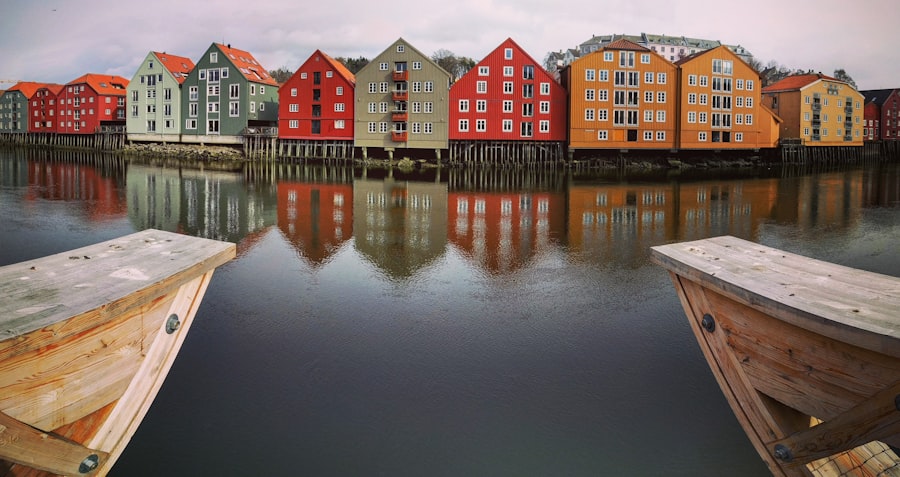
In Norway, societal perceptions of being a hjemmeværende partner are generally progressive; however, challenges still exist. While many embrace the idea of shared parenting responsibilities and gender equality, some may still hold traditional views regarding gender roles within the household. Navigating these cultural perceptions requires confidence and resilience.
It is essential to recognise that your choice to be a stay-at-home partner is valid and contributes positively to your family’s dynamics. Engaging with local communities can help dispel misconceptions and foster understanding about the diverse roles within families. Participating in social events or community activities allows you to share your experiences while learning from others in similar situations.
The Norway Relocation Group can assist in connecting you with local organisations that promote family diversity and inclusivity. By actively participating in these discussions, you can contribute to changing perceptions while finding solidarity among fellow hjemmeværende partners.
Developing a Daily Routine and Structure as a Hjemmeværende Partner
Establishing a daily routine is crucial for maintaining structure and balance as a hjemmeværende partner. A well-defined routine not only helps manage household tasks but also provides a sense of stability for both you and your family. Consider incorporating regular activities such as meal planning, cleaning schedules, and designated family time into your daily life.
This structure allows for predictability while also creating opportunities for spontaneity within the framework of your routine. Flexibility is equally important; while routines provide structure, they should not become rigid or stifling. Allowing room for adjustments based on family needs or personal preferences ensures that everyone feels comfortable within the established framework.
The Norway Relocation Group can offer resources on effective time management techniques tailored to your lifestyle as a stay-at-home partner. By developing a balanced routine that accommodates both responsibilities and personal time, you can create an environment that fosters well-being for yourself and your family.
Exploring Opportunities for Personal Development and Growth while at Home
Being a hjemmeværende partner does not mean sacrificing personal growth or development; rather, it presents unique opportunities for self-improvement and exploration. Many stay-at-home partners find ways to pursue interests or skills that may have been sidelined during their professional careers. This could involve enrolling in online courses, attending workshops, or engaging in creative pursuits such as writing or art.
In Norway, there are numerous resources available for personal development tailored specifically for stay-at-home partners. The NLS Norwegian Language School in Oslo offers comprehensive language courses designed to help individuals integrate into Norwegian society while enhancing their communication skills. Learning Norwegian not only enriches your personal experience but also opens doors to new social connections and opportunities within the community.
Embracing personal development while at home allows you to cultivate new skills that benefit both yourself and your family.
Communicating with Your Partner about Expectations and Needs
Effective communication is fundamental in any relationship but becomes even more critical when navigating the complexities of being a hjemmeværende partner. Openly discussing expectations regarding household responsibilities, parenting roles, and emotional needs fosters understanding between partners. Regular check-ins allow both individuals to express their feelings and concerns while ensuring that each person’s needs are acknowledged.
It is essential to approach these conversations with empathy and an open mind. Recognising that both partners may have different perspectives on their roles can lead to constructive discussions about how best to support one another. The Norway Relocation Group can provide resources on effective communication strategies tailored to couples navigating these transitions.
By fostering an environment of open dialogue, you can strengthen your partnership while ensuring that both individuals feel valued in their respective roles.
Addressing Challenges and Struggles as a Hjemmeværende Partner
The journey of being a hjemmeværende partner is not without its challenges; feelings of isolation, frustration, or inadequacy may arise at times. It is crucial to acknowledge these struggles rather than suppress them; doing so allows for healthier coping mechanisms to develop. Seeking support from friends, family members, or local community groups can provide an outlet for sharing experiences and gaining perspective on common challenges faced by stay-at-home partners.
Additionally, recognising when professional help may be needed is vital for maintaining mental health during this transition period. Therapy or counselling services can offer valuable tools for managing stress or anxiety related to role changes within the household. The Norway Relocation Group can assist in connecting you with local mental health resources tailored specifically for expatriates navigating similar challenges.
By addressing struggles head-on with support from various sources, you can cultivate resilience while embracing your role as a hjemmeværende partner.
Embracing the Rewards and Fulfilment of Being a Stay-at-Home Partner in Norway
Despite the challenges associated with being a hjemmeværende partner, there are numerous rewards that come with this role—particularly in Norway’s supportive environment for families. Many find immense satisfaction in nurturing their children’s growth or creating a warm home atmosphere that fosters connection among family members. The opportunity to witness milestones firsthand—be it first steps or school achievements—can be profoundly fulfilling.
Moreover, being actively involved in community activities or local events allows stay-at-home partners to forge meaningful connections outside the home environment. Engaging with other parents or families creates opportunities for friendship while enriching your family’s social network. The NLS Norwegian Language School in Oslo offers courses that not only enhance language skills but also facilitate connections with fellow learners who share similar experiences as expatriates navigating life in Norway.
In conclusion, embracing the role of a hjemmeværende partner presents both challenges and rewards; however, with the right support systems in place—such as those offered by the Norway Relocation Group—you can navigate this journey successfully while fostering personal growth through opportunities like those provided by NLS Norwegian Language School in Oslo. By prioritising communication, self-care, community engagement, and personal development within this new chapter of life, you will find fulfilment as you contribute positively to your family’s dynamics while embracing all that Norway has to offer.
Register for a Norwegian class at the NLS Norwegian Language School now!