

The concept of hytte, or cabin, has deep roots in Norwegian history, tracing back to the early agrarian societies that populated the region. Initially, these simple structures served as temporary shelters for farmers and their families during the summer months when they would move their livestock to higher pastures. The hytte was a practical solution, allowing families to remain close to their animals while also taking advantage of the lush, green landscapes that Norway is renowned for.
Over time, these humble abodes evolved from mere utilitarian shelters into cherished retreats that embody the spirit of Norwegian life. As the years progressed, the hytte became a symbol of leisure and relaxation, particularly during the 19th century when the Romantic movement inspired a newfound appreciation for nature. This period saw an increase in urbanisation, prompting city dwellers to seek solace in the countryside.
The hytte transformed into a sanctuary where individuals could escape the hustle and bustle of urban life, fostering a connection with nature that remains integral to Norwegian culture today. The evolution of hytte culture reflects broader societal changes, illustrating how these cabins have become woven into the very fabric of Norwegian identity. Navigate your move to Norway with confidence. Book a one-on-one consultation with an NLS Relocation expert today.
Summary
- Hytte culture in Norway dates back to the 19th century, when city dwellers sought refuge in the countryside.
- Hytte culture is deeply ingrained in Norwegian society, representing a connection to nature and a sense of escapism.
- There are various types of hyttes in Norway, including traditional log cabins, modern eco-friendly designs, and luxurious mountain lodges.
- Hyttes play a central role in Norwegian leisure activities, offering opportunities for hiking, skiing, fishing, and relaxation.
- Hytte culture promotes sustainable living through off-grid solutions, eco-friendly construction, and a focus on self-sufficiency.
The Importance of Hytte Culture in Norwegian Society
Hytte culture holds a significant place in the hearts of Norwegians, serving as a vital aspect of their social fabric. For many, owning a hytte is not merely about having a second home; it represents a lifestyle choice that prioritises time spent with family and friends in nature. The hytte is often seen as a refuge from the demands of modern life, providing an opportunity to disconnect from technology and reconnect with loved ones.
This emphasis on togetherness fosters strong familial bonds and creates lasting memories that are cherished for generations. Moreover, hytte culture plays a crucial role in promoting mental well-being among Norwegians. The serene surroundings of a hytte encourage relaxation and reflection, allowing individuals to recharge their spirits amidst the tranquillity of nature.
Studies have shown that spending time in natural environments can significantly reduce stress levels and improve overall mental health. As such, the hytte serves not only as a physical space but also as a sanctuary for emotional rejuvenation, reinforcing its importance in contemporary Norwegian society.
The Different Types of Hyttes in Norway
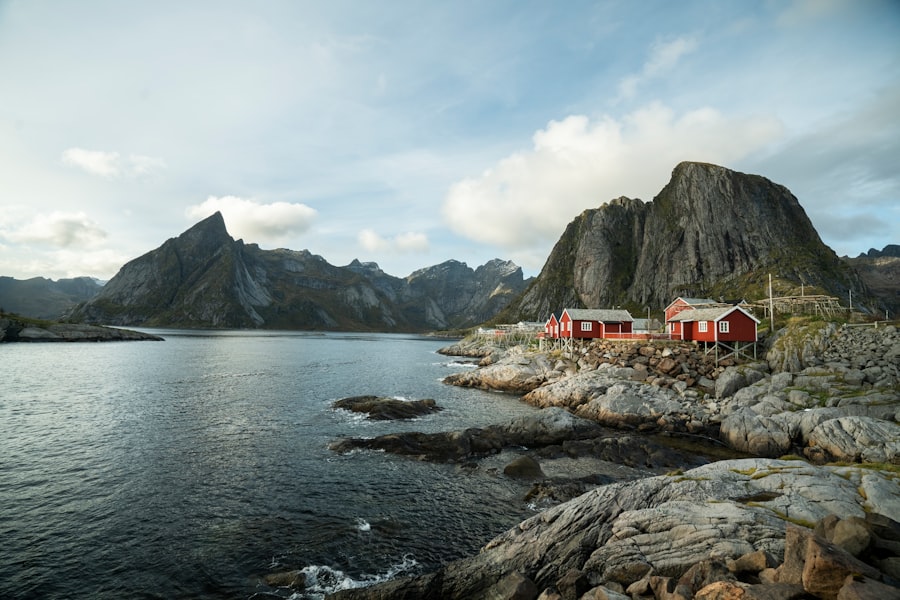
Norway boasts a diverse array of hyttes, each reflecting unique architectural styles and regional characteristics. Traditional hyttes are often constructed from timber, featuring steep roofs and large windows that invite natural light while offering stunning views of the surrounding landscape. These cabins are typically modest in size, embodying a rustic charm that resonates with the simplicity of rural life.
Many traditional hyttes are adorned with intricate wood carvings and decorative elements that pay homage to Norway’s rich cultural heritage. In contrast, modern hyttes have emerged as a response to contemporary design trends and lifestyle preferences. These cabins often incorporate sleek lines and minimalist aesthetics, blending seamlessly into their natural surroundings.
Equipped with modern amenities such as electricity and running water, they provide a comfortable retreat without sacrificing the essence of hytte culture. Additionally, some hyttes are designed for year-round use, catering to those who wish to enjoy Norway’s stunning landscapes regardless of the season. This variety ensures that there is a hytte to suit every taste and preference, further solidifying their place in Norwegian life.
The Role of Hyttes in Norwegian Leisure Activities
Hyttes serve as central hubs for leisure activities in Norway, providing the perfect base for outdoor adventures throughout the year. In winter, many Norwegians flock to their cabins to partake in skiing, snowshoeing, and ice fishing. The proximity to nature allows for easy access to pristine slopes and frozen lakes, making it an ideal setting for winter sports enthusiasts.
Families often gather at their hyttes during this season, creating traditions around winter activities that foster a sense of community and shared experience. As the seasons change, so too do the activities associated with hytte culture. In spring and summer, hiking, fishing, and swimming become popular pastimes.
The breathtaking landscapes of Norway offer countless trails and waterways to explore, encouraging individuals to immerse themselves in the great outdoors. Many families take advantage of these warmer months to host barbecues and picnics at their hyttes, further enhancing the social aspect of cabin life. This seamless transition between seasons highlights the versatility of hyttes as spaces for leisure and recreation throughout the year.
Hytte Culture and Sustainable Living
Sustainability is an increasingly important consideration in contemporary hytte culture, as more Norwegians seek to minimise their environmental impact while enjoying nature. Many modern hyttes are designed with eco-friendly materials and energy-efficient technologies that reduce their carbon footprint. Solar panels, rainwater harvesting systems, and composting toilets are just a few examples of how cabin owners are embracing sustainable living practices.
This shift towards environmentally conscious design reflects a broader societal commitment to preserving Norway’s natural beauty for future generations. Furthermore, hytte culture encourages a lifestyle that prioritises simplicity and self-sufficiency. Many cabin owners engage in activities such as foraging for wild berries or mushrooms, fishing for dinner, or growing their own vegetables in small gardens surrounding their hyttes.
This connection to the land fosters a deeper appreciation for nature and promotes sustainable practices that align with traditional Norwegian values. By embracing these principles, hytte culture not only enhances individual well-being but also contributes to the preservation of Norway’s stunning landscapes.
Hytte Culture and Family Traditions
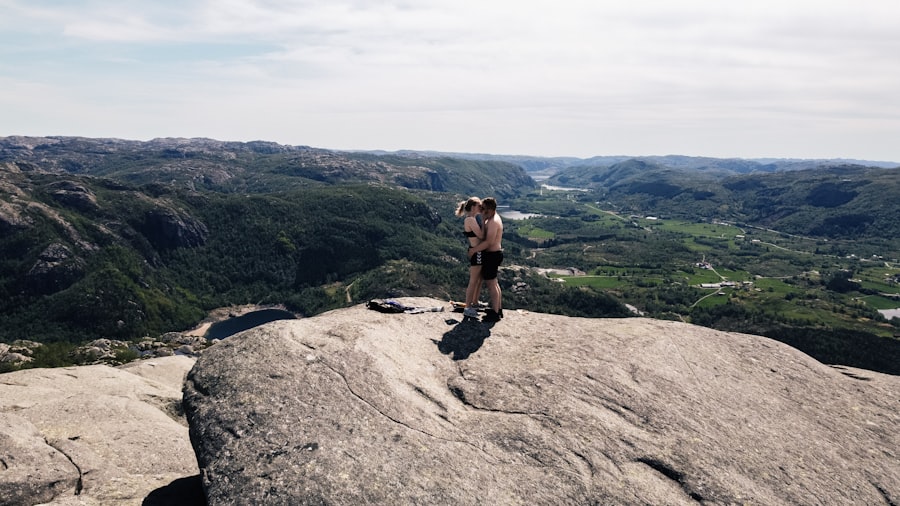
Family traditions are deeply intertwined with hytte culture in Norway, as these cabins often serve as gathering places for loved ones across generations. Many families have owned their hyttes for decades or even centuries, creating a sense of continuity and belonging that is passed down through time. Annual trips to the family hytte become cherished rituals where relatives come together to celebrate holidays, birthdays, or simply enjoy each other’s company amidst nature’s beauty.
These gatherings often involve shared activities that strengthen familial bonds, such as cooking traditional Norwegian dishes or engaging in outdoor pursuits like hiking or fishing. Storytelling around the fireplace becomes a cherished pastime, allowing older generations to pass down tales of their own experiences at the hytte while instilling values of resilience and appreciation for nature in younger family members. In this way, hytte culture not only fosters connections between family members but also reinforces cultural heritage and identity.
Hytte Culture and Norwegian Folklore
Norwegian folklore is rich with tales that celebrate the connection between people and nature, and hytte culture plays a significant role in this narrative. Many stories feature mythical creatures such as trolls or hulder who inhabit the forests surrounding hyttes, adding an element of enchantment to these rustic retreats. These tales often serve as cautionary lessons or moral teachings that reflect the values held by Norwegian society.
The presence of folklore within hytte culture also highlights the importance of storytelling as a means of preserving cultural identity. Families often share these stories during gatherings at their hyttes, creating an atmosphere steeped in tradition and imagination. This oral tradition not only entertains but also reinforces a sense of belonging among family members while fostering an appreciation for Norway’s rich cultural heritage.
Hytte Culture and the Norwegian Connection to Nature
At its core, hytte culture embodies Norway’s profound connection to nature. The stunning landscapes that surround these cabins serve as both inspiration and refuge for those who seek solace from the demands of modern life. Norwegians have long recognised the therapeutic benefits of spending time outdoors; thus, hyttes provide an essential link between individuals and the natural world.
This relationship is deeply ingrained in Norwegian identity and is celebrated through various cultural practices. The design and location of hyttes often reflect this connection to nature, with many cabins situated near lakes, mountains, or forests that offer breathtaking views and opportunities for exploration. The emphasis on outdoor living encourages individuals to engage with their environment actively—whether through hiking trails that lead to hidden waterfalls or fishing spots nestled along tranquil shores.
This harmonious relationship between hytte culture and nature fosters a sense of stewardship among cabin owners who recognise their responsibility to protect these precious landscapes for future generations.
The Modernisation of Hytte Culture in Norway
As society evolves, so too does hytte culture in Norway. Modernisation has brought about significant changes in how people approach cabin ownership and usage. While traditional values remain at the heart of hytte culture, contemporary influences have led to new trends that reflect changing lifestyles and preferences.
For instance, many young Norwegians now seek out hyttes equipped with modern amenities such as Wi-Fi and smart home technology—allowing them to maintain connectivity while enjoying their time away from urban life. Additionally, there has been a growing interest in renting out hyttes through platforms like Airbnb or local rental agencies. This trend has opened up opportunities for more people to experience hytte culture without necessarily owning a cabin themselves.
As a result, there is an increasing diversity among those who engage with this aspect of Norwegian life—bringing fresh perspectives and ideas into the fold while still honouring its rich traditions.
Hytte Culture and Tourism in Norway
Hytte culture has become an integral part of Norway’s tourism industry, attracting visitors from around the world who wish to experience the beauty of these rustic retreats firsthand. Many tourists seek out authentic experiences that allow them to immerse themselves in Norwegian traditions while enjoying outdoor activities such as hiking or skiing. As a result, numerous businesses have emerged around hytte rentals—offering everything from guided tours to culinary experiences that showcase local cuisine.
This influx of tourism has prompted discussions about sustainability within hytte culture; ensuring that visitors respect both the environment and local communities is paramount. Many cabin owners are now implementing eco-friendly practices while educating guests about responsible tourism behaviours—fostering an appreciation for nature among those who may be less familiar with it. By striking this balance between tourism and preservation efforts, hytte culture continues to thrive while remaining true to its roots.
The Future of Hytte Culture in Norway
Looking ahead, the future of hytte culture in Norway appears bright yet complex as it navigates challenges posed by modernisation and environmental concerns. As more people embrace sustainable living practices within their cabin ownership experiences—whether through eco-friendly designs or responsible tourism behaviours—the essence of hytte culture will likely endure while adapting to contemporary needs. Moreover, initiatives aimed at preserving traditional craftsmanship associated with building hyttes may gain traction as younger generations seek to honour their heritage while incorporating modern elements into their designs.
This fusion could lead to innovative approaches that celebrate both tradition and progress—ensuring that hytte culture remains relevant for years to come. In conclusion, hytte culture is not merely about owning a cabin; it encapsulates a way of life deeply rooted in Norwegian identity—celebrating family connections, folklore traditions, sustainable living practices—and an enduring bond with nature itself. As Norwegians continue to cherish this unique aspect of their heritage while embracing change—hytte culture will undoubtedly remain an essential part of what it means to be Norwegian today—and into tomorrow.
For those looking to deepen their understanding of this rich cultural tapestry while immersing themselves further into Norwegian life—consider enrolling in one of the Norwegian courses offered at NLS Norwegian Language School in Oslo. These courses provide an excellent opportunity not only to learn the language but also to explore various aspects of Norwegian culture—including its beloved hytte traditions—enabling students to forge meaningful connections within this beautiful country.
Register for a Norwegian class at the NLS Norwegian Language School now!