
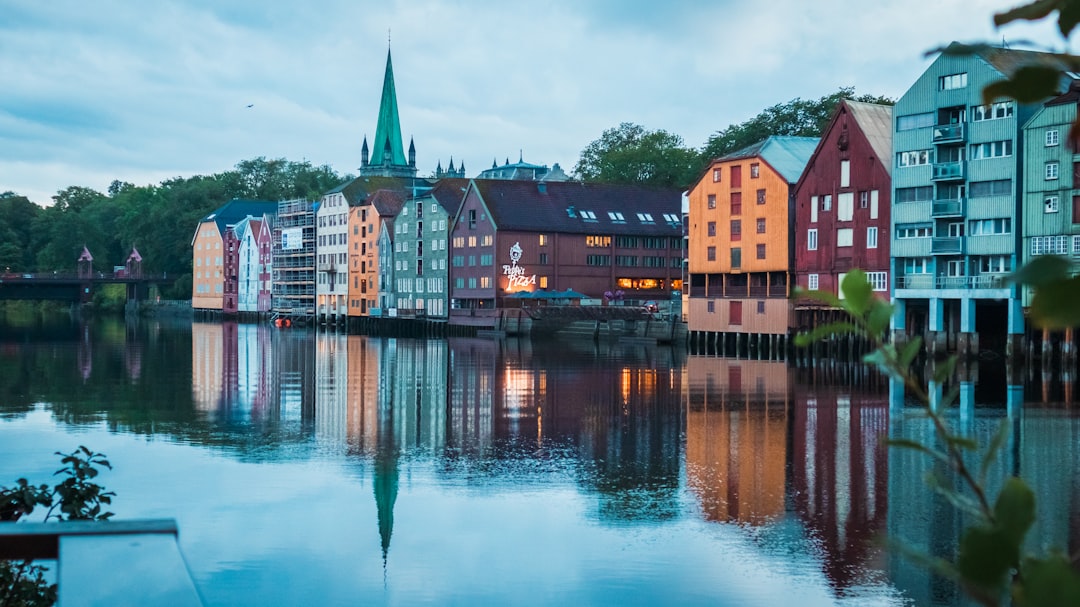
The Norwegian seafood industry is a cornerstone of the nation’s economy, renowned for its high-quality products and sustainable practices. With a coastline stretching over 25,000 kilometres, Norway boasts an abundance of marine resources, making it one of the largest seafood exporters in the world. The industry encompasses a wide range of activities, from fishing and aquaculture to processing and distribution, contributing significantly to both local and national economies.
The commitment to sustainability and innovation has positioned Norway as a leader in responsible seafood production, attracting attention from global markets. As the demand for seafood continues to rise globally, the Norwegian seafood industry is poised for growth. The combination of advanced technology, stringent quality control measures, and a focus on environmental stewardship ensures that Norway remains at the forefront of seafood production.
This dynamic sector not only provides a wealth of job opportunities but also plays a vital role in promoting healthy eating habits and sustainable practices worldwide. For those considering a career in this thriving industry, understanding its intricacies and potential is essential. Schedule a one-on-one consultation with our relocation specialists to simplify your move to Norway. https://nlsnorwayrelocation.no/one-hour-strategy-session/
Summary
- The Norwegian seafood industry is a major contributor to the country’s economy, with a strong focus on sustainable practices and high-quality products.
- Job opportunities in the Norwegian seafood industry range from fishing and aquaculture to processing, marketing, and research, offering a wide variety of roles for individuals with different skills and interests.
- Qualifications and skills required for working in the Norwegian seafood industry include knowledge of marine biology, aquaculture, food science, marketing, and business management, as well as practical skills such as fishing, processing, and quality control.
- Training and education options for careers in the Norwegian seafood industry include vocational programs, university degrees, and on-the-job training, with opportunities for continuous learning and professional development.
- Working conditions in the Norwegian seafood industry can vary depending on the specific role, but often involve outdoor work, physical labour, and exposure to natural elements, with a strong emphasis on safety and environmental stewardship.
Job Opportunities in the Norwegian Seafood Industry
The job market within the Norwegian seafood industry is diverse and expansive, offering a plethora of opportunities for individuals with varying skill sets and backgrounds. From fishermen and aquaculture specialists to quality control inspectors and marketing professionals, the industry caters to a wide range of interests and expertise. The growth of aquaculture, in particular, has led to an increased demand for skilled workers who can manage fish farms, oversee breeding programmes, and ensure the health and welfare of aquatic species.
Moreover, the seafood industry is not limited to traditional roles; it also encompasses positions in research and development, logistics, and sales. As companies strive to innovate and improve their products, there is a growing need for professionals who can contribute to product development and market expansion. This diversity in job roles means that individuals with various educational backgrounds—be it in biology, engineering, business, or culinary arts—can find fulfilling careers within this sector.
Qualifications and Skills Required for Working in the Norwegian Seafood Industry
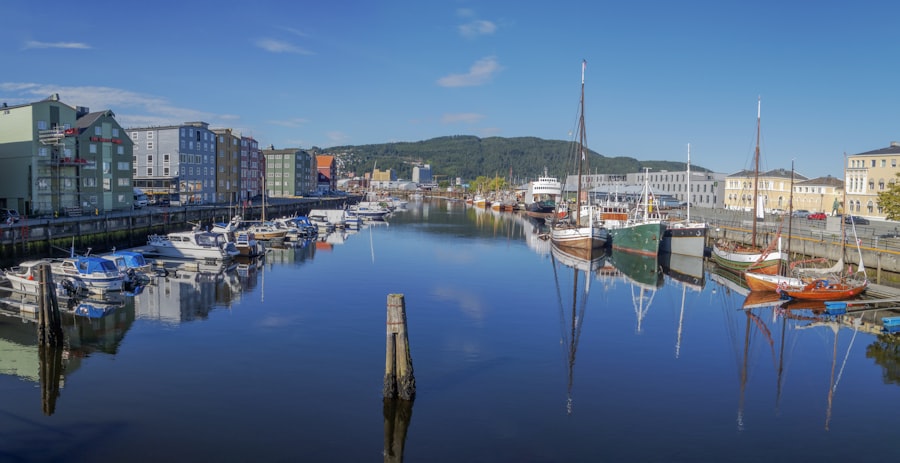
To thrive in the Norwegian seafood industry, certain qualifications and skills are essential. For technical roles such as aquaculture management or marine biology, a relevant degree or certification is often required. Educational institutions in Norway offer specialised programmes that equip students with the necessary knowledge about marine ecosystems, fish health management, and sustainable practices.
Additionally, hands-on experience through internships or apprenticeships can significantly enhance employability. Beyond formal qualifications, soft skills play a crucial role in the seafood industry. Effective communication, teamwork, and problem-solving abilities are highly valued as many positions require collaboration across various departments.
Furthermore, an understanding of sustainability practices and a commitment to ethical sourcing are increasingly important as consumers become more conscious of their food choices. Those who can demonstrate a passion for environmental stewardship alongside their technical skills will find themselves well-positioned in this competitive job market.
Training and Education Options for Careers in the Norwegian Seafood Industry
Norway offers a wealth of training and education options for individuals aspiring to build a career in the seafood industry. Numerous universities and vocational schools provide specialised courses focusing on marine biology, aquaculture technology, fisheries management, and food science. These programmes are designed to equip students with both theoretical knowledge and practical skills necessary for success in various roles within the industry.
In addition to formal education, many companies within the seafood sector offer training programmes tailored to their specific needs. These initiatives often include on-the-job training, workshops, and seminars that cover topics such as quality assurance, safety regulations, and sustainable practices. By participating in these training opportunities, individuals can gain valuable insights into the industry’s best practices while also enhancing their employability.
Working Conditions in the Norwegian Seafood Industry
Working conditions in the Norwegian seafood industry can vary significantly depending on the specific role and location. For those involved in fishing or aquaculture operations, work may often take place outdoors in challenging weather conditions. However, companies prioritising employee safety typically provide comprehensive training on safety protocols and equipment usage to mitigate risks associated with working at sea or in fish farms.
In processing facilities or offices, working conditions tend to be more stable and controlled. Many companies strive to create a positive work environment that fosters collaboration and innovation. Employee welfare is often prioritised through competitive salaries, benefits packages, and opportunities for professional development.
As the industry continues to evolve, there is an increasing emphasis on work-life balance and employee satisfaction.
Advancement and Growth Opportunities in the Norwegian Seafood Industry

The Norwegian seafood industry is characterised by its potential for career advancement and growth. As individuals gain experience and develop their skills, they may find opportunities to move into supervisory or managerial roles within their organisations. Many companies actively encourage internal promotions by providing training programmes that prepare employees for leadership positions.
Moreover, as the industry expands globally, there are increasing opportunities for international careers within seafood companies. Professionals with expertise in sustainable practices or innovative technologies may find themselves sought after by organisations looking to enhance their global presence. The combination of a growing market and a commitment to sustainability ensures that dedicated individuals can build long-lasting careers with ample room for progression.
Job Search and Application Process for the Norwegian Seafood Industry
Navigating the job search process within the Norwegian seafood industry requires a strategic approach. Job seekers should begin by researching companies that align with their interests and values. Networking plays a crucial role in this sector; attending industry events or joining professional associations can provide valuable connections that may lead to job opportunities.
When applying for positions, it is essential to tailor CVs and cover letters to highlight relevant skills and experiences specific to the seafood industry. Demonstrating an understanding of sustainability practices or showcasing any hands-on experience can set candidates apart from others. Additionally, many companies utilise online platforms for recruitment; therefore, maintaining an updated LinkedIn profile can enhance visibility among potential employers.
Salaries and Benefits in the Norwegian Seafood Industry
Salaries within the Norwegian seafood industry can vary widely based on factors such as job role, experience level, and location. Entry-level positions may offer competitive starting salaries that increase significantly with experience and additional responsibilities. For instance, skilled roles in aquaculture management or quality assurance often command higher salaries due to their specialised nature.
In addition to competitive pay, many companies within the seafood sector offer attractive benefits packages that may include health insurance, retirement plans, and paid leave. Some organisations also provide opportunities for further education or professional development as part of their commitment to employee growth. This combination of salary and benefits makes careers in the Norwegian seafood industry appealing for many individuals seeking stability and advancement.
Challenges and Rewards of Working in the Norwegian Seafood Industry
While there are numerous rewards associated with working in the Norwegian seafood industry—such as job security, opportunities for advancement, and contributions to sustainability—there are also challenges that professionals may face. The industry’s reliance on natural resources means that workers must navigate environmental factors such as climate change or overfishing that can impact production levels. Additionally, roles that involve working at sea or in remote locations may require long hours or irregular schedules.
However, many individuals find these challenges rewarding as they contribute to a vital sector that promotes healthy eating habits while prioritising environmental stewardship. The sense of purpose derived from working towards sustainable practices often outweighs the difficulties faced along the way.
Diversity and Inclusion in the Norwegian Seafood Industry
Diversity and inclusion are increasingly recognised as essential components of a thriving workplace within the Norwegian seafood industry. Companies are beginning to understand that diverse teams bring unique perspectives that can drive innovation and improve decision-making processes. As such, there is a growing emphasis on creating inclusive environments where individuals from various backgrounds feel valued and empowered.
Efforts to promote diversity may include targeted recruitment initiatives aimed at attracting underrepresented groups or implementing mentorship programmes that support career development for all employees. By fostering an inclusive culture, organisations not only enhance their workforce but also contribute positively to society by reflecting the diverse consumer base they serve.
Tips for Success in a Career in the Norwegian Seafood Industry
For those aspiring to succeed in the Norwegian seafood industry, several key tips can help pave the way for a fulfilling career. Firstly, staying informed about industry trends—such as advancements in sustainable practices or technological innovations—can provide a competitive edge during job searches or performance evaluations. Networking is equally important; building relationships with professionals within the sector can lead to mentorship opportunities or insider knowledge about job openings.
Additionally, being adaptable and open to learning new skills will enable individuals to thrive amidst an ever-evolving landscape. Finally, consider enhancing your language skills by enrolling in courses at institutions like the NLS Norwegian Language School in Oslo. Proficiency in Norwegian not only facilitates communication but also demonstrates commitment to integrating into the local culture—an invaluable asset when pursuing a career within this vibrant industry.
In conclusion, embarking on a career in the Norwegian seafood industry offers numerous opportunities for personal growth and professional fulfilment. With its commitment to sustainability and innovation, this sector is well-positioned for future success while providing rewarding experiences for those who choose to be part of it.
Register for a Norwegian class at the NLS Norwegian Language School now!